
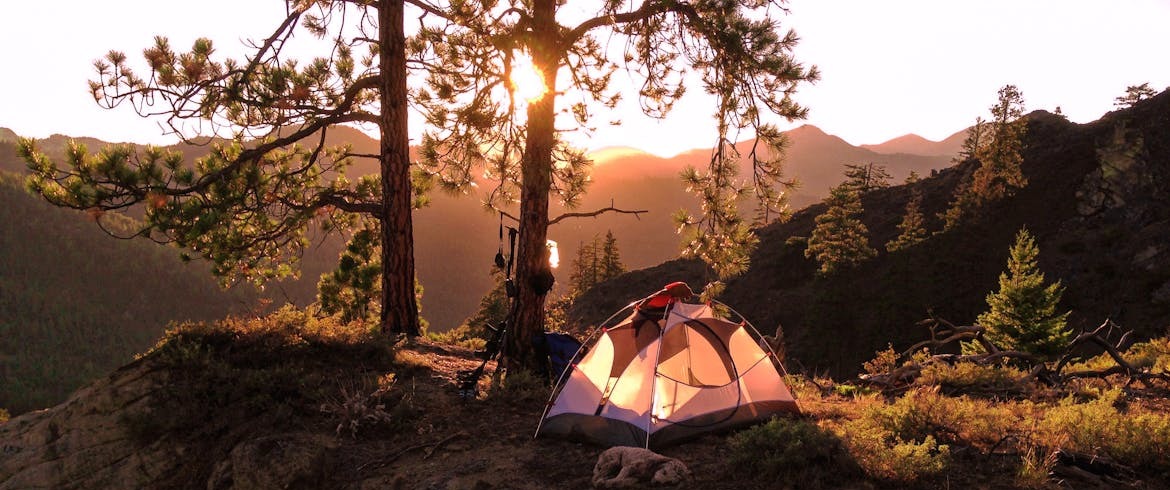
Spending time outdoors in Missouri has become more popular, especially across the Ozarks. With higher traffic, more pressure comes on the natural environment. Choosing to camp responsibly helps reduce that pressure while still enjoying the experience. Practicing camping sustainably in Missouri means respecting the land, using fewer resources, and avoiding choices that harm wildlife or water systems. The habits you build now can help preserve these places for future visitors.
Understand Leave No Trace Principles for Missouri Parks
The Leave No Trace system offers seven key behaviors that reduce damage during outdoor recreation. Each one can be adapted to suit the conditions found across Missouri’s public lands. Planning ahead prevents last-minute decisions that lead to waste or damage. Staying on the trail avoids trampling rare plants and protects stream edges from collapse.
Campers often ignore the rules about fires, food, or dogs. These rules aren’t arbitrary. They exist to reduce long-term harm in areas that see high use, like Ha Ha Tonka or Johnson’s Shut-Ins. Packing out all trash, including micro-waste like food wrappers and dental floss, keeps areas safe for wildlife. Even biodegradable items can attract animals or contaminate water.
Choose Campgrounds With Environmental Commitments
Some campgrounds go further than just offering a place to pitch a tent. They also focus on limiting harm to nearby ecosystems. These sites often include renewable energy use, water-efficient restrooms, and clear systems for waste separation. Missouri State Parks and National Forest Service sites are good starting points for finding these facilities.
Echo Bluff State Park uses native plants for landscaping, which lowers water use and supports local insects. Table Rock Lake State Park offers recycling options and clear signage to guide waste disposal. Private campgrounds in Missouri also differ widely in how they treat the land. Look for ones that list environmental practices openly and avoid any that overbuild close to rivers or wetlands.
Choosing where to stay is part of reducing your impact. Sites that protect their environment usually make it easier for you to do the same.
Smart Packing Reduces Your Impact
What you bring matters. Single-use plastics, packaged meals, and bulky gear often create unnecessary waste or strain resources. Pack reusable containers for food and drink, and use rechargeable batteries or solar power for lighting. These swaps cut down on what ends up in trash bins, which often overflow in busy camping areas.
To reduce waste and keep your setup efficient, prioritize:
- Reusable containers for snacks, meals, and liquids
- Rechargeable batteries or solar-powered gear
- Biodegradable soap and unscented hygiene items
- Quick-dry clothing that needs fewer washes
- Food packed in bulk instead of individual wrappers
Avoid scented items that attract wildlife, and skip synthetic wipes that leave behind fibers. Pack lightweight clothing that dries quickly and can be reworn. Simpler packing supports lighter travel and lowers fuel use if you’re driving long distances. Keep your gear list focused on function and reuse, not convenience or extras.
Wildlife-Safe Food Storage and Cooking
Food management is often overlooked but has serious consequences. In areas where black bears, raccoons, or feral hogs live, sloppy food storage can lead to dangerous animal behavior. Even if an area doesn’t require it, using bear-proof containers or hanging your food helps protect wildlife.
Open fires may seem appealing, but Missouri’s dry periods increase the risk of wildfires. In many regions, propane stoves are the better choice. They burn cleaner, heat faster, and don’t rely on wood gathering, which removes essential habitat for insects and decomposers.
Clean up fully after cooking. Any trace of grease or crumbs can attract animals or damage water systems during rain. If your trash smells like food, store it away from your sleeping area until it can be properly disposed of.
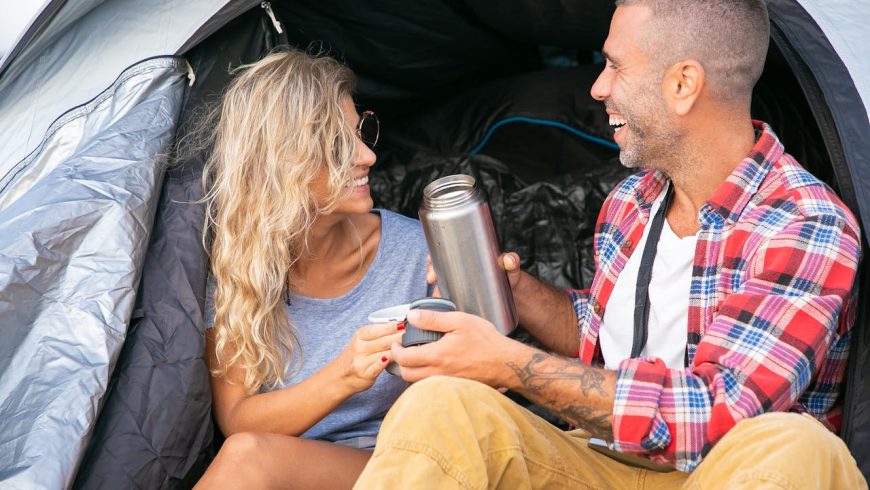
How Camping Sustainably in Missouri Benefits the Entire Region
Missouri’s ecosystems include karst caves, spring-fed streams, and dense woodlands that support a range of life. These systems rely on balance. Erosion, runoff, and litter all make it harder for them to function. Choosing to focus on camping sustainably in Missouri supports clean water, healthy forests, and safe habitats.
Overused trails lose topsoil, which makes runoff worse after heavy rain. This leads to murkier rivers and more nutrient pollution. Excess nutrients encourage algae growth, especially in places like the Current or Meramec Rivers. Sustainable choices limit these effects. Staying on trail, disposing of waste properly, and using clean-burning gear keep these systems more stable.
Your actions don’t exist in isolation. Every visitor affects what the next visitor sees. The difference between a clear stream and a trash-filled one often comes down to behavior, not budget. Simple habits scale when everyone applies them.
Travel to and From Your Campsite With Care
Environmental impact starts before you arrive. Car travel contributes significantly to pollution. Driving less or sharing rides with others helps reduce emissions. Picking campsites closer to your home or adding extra people to one vehicle also reduces fuel use per person.
Make fewer supplies run by packing what you need ahead of time. Avoid single-use plastics picked up at gas stations or trailhead stores. Fill large water jugs before you leave home instead of relying on bottled water. Bring extra containers so you can avoid buying more during your trip.
In addition, some campers make short stops at local produce markets or small town general stores. These businesses often stock local goods with less packaging. Supporting them helps reinforce sustainability across the region, not just at the campsite.

Protecting Missouri’s Outdoors Starts With Your Choices
Outdoor recreation does not need to come at the expense of the environment. By adjusting how you prepare, travel, and set up camp, you can limit damage while still enjoying the experience. Prioritizing camping sustainably in Missouri protects the unique features of the Ozarks and beyond. Whether you’re in a forested valley or on a ridge with views, low-impact behavior helps maintain access, safety, and natural balance.

Author: Christie Sorre is a consultant at Dielman Moving & Storage, where she focuses on practical guidance tied to relocation, travel habits, and more. Her work centers on clear, usable information that helps people make better choices before and during time spent away from home. She brings a detail-driven approach that keeps advice grounded and easy to apply.
Cover image: photo via Pexels


