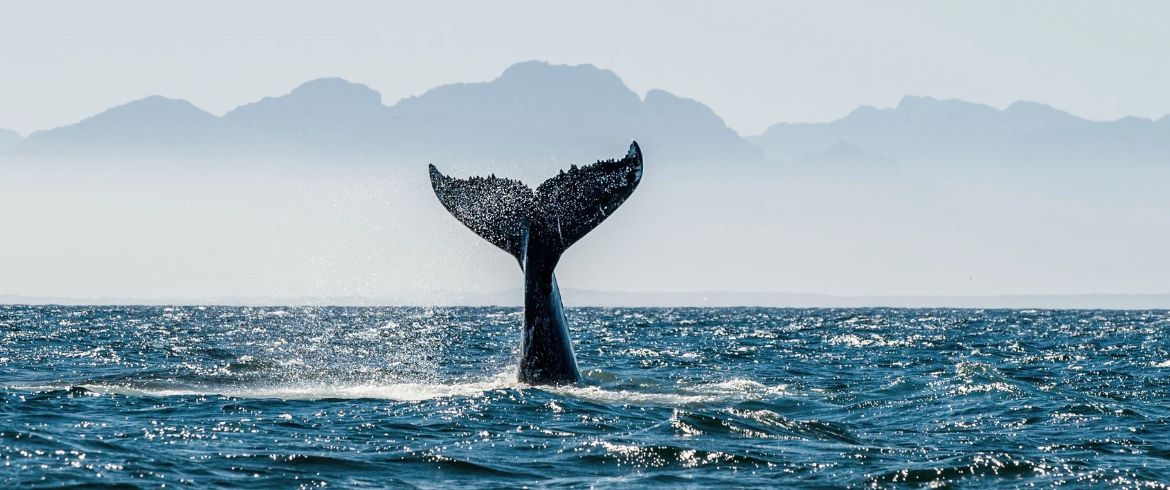
Every winter, the waters around Mexico’s Baja California peninsula become one of the most remarkable stages for marine life on the planet. Gray whales arrive after a journey of thousands of kilometres from their Arctic feeding grounds, while humpbacks and blue whales gather along the coasts of the Pacific and the Sea of Cortez. Seeing them up close is unforgettable, but it also comes with a responsibility. Choosing responsible whale watching in Baja California means making sure your encounter benefits both you and the animals, without disturbing behaviours that are essential to their survival.
Why Baja California Matters So Much to Whales
The protected lagoons on Baja’s Pacific coast serve as nurseries for gray whales. Each year, females give birth and nurse their calves in these calm, shallow waters before the long migration north. Laguna Ojo de Liebre and Laguna San Ignacio, both part of the El Vizcaíno Biosphere Reserve, are recognised by UNESCO as a World Heritage Site for this reason.
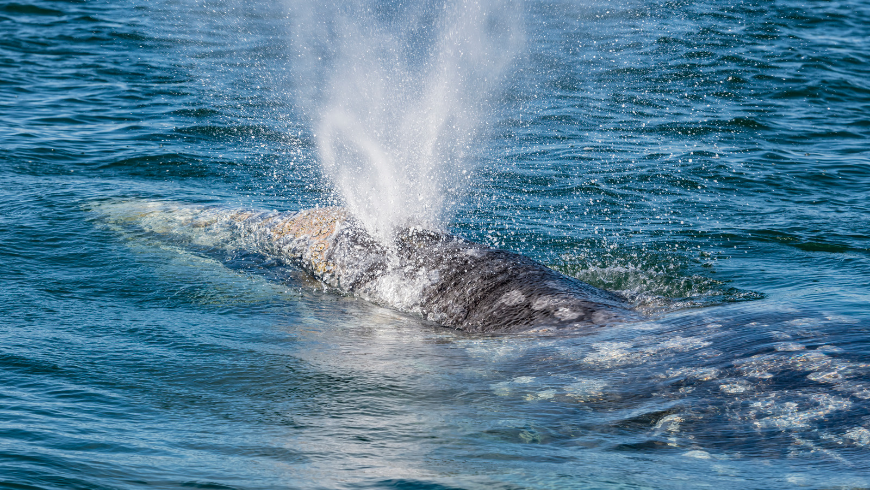
On the other side of the peninsula, the Sea of Cortez hosts an extraordinary diversity of marine mammals. Blue whales, the largest animals ever known to have lived, are regularly observed in the waters around Loreto, while humpbacks are a familiar sight near Los Cabos during the winter months.
When to Go
Timing makes a big difference, both for the quality of your experience and for minimising pressure on the animals.
- Gray whales are generally present in the Pacific lagoons from around January to April, with mothers and calves most visible later in the season.
- Humpback whales are typically seen from December to March.
- Blue whales are usually spotted in the Sea of Cortez from late winter into spring.
Exact dates vary from year to year, so it is worth checking with local operators before planning a trip.
How to Choose a Responsible Operator
The single most important decision you will make is who takes you out on the water. A responsible operator will:
- Hold the required permits. Whale watching in Mexico is regulated by federal authorities under the standard NOM-131-SEMARNAT-2010, which sets rules on approach, speed and the number of boats allowed near whales.
- Use experienced local guides who understand whale behaviour and can recognise signs of stress.
- Respect the rules on approach, reducing speed near the animals, never cutting across their path and never separating a mother from her calf.
- Limit time with each group of whales, so the animals are not followed or surrounded for long periods.
Specialised operators which organises dedicated whale trips in the region, are one option for travellers looking for a structured and guided experience.
Your Role on Board
Even with the best operator, visitors play their part in keeping encounters respectful.
Let the Whales Decide
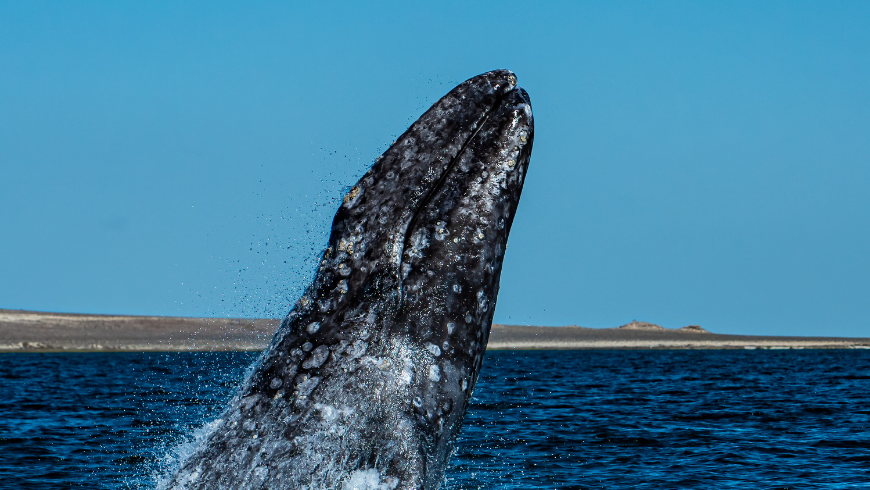
In the gray whale lagoons, it is not unusual for curious whales to approach boats on their own. These “friendly” encounters are magical, but they should always be initiated by the animals. Never try to chase, touch or attract a whale’s attention.
Keep Noise to a Minimum
Whales rely heavily on sound to communicate. Loud voices, music or banging on the boat can disturb them, particularly mothers caring for young calves.
Leave No Trace
Bring reusable water bottles, avoid single-use plastics and never throw anything overboard.
Respect Local Communities
Many fishing communities around the lagoons have built their livelihoods around whale tourism. Choosing local guides and services helps support the people who protect these places year-round.
An Encounter Worth Protecting
Watching a whale surface beside your boat is one of the most powerful wildlife experiences you can have. By travelling at the right time, choosing licensed operators and following a few simple principles, you help ensure that Baja California’s lagoons and coasts remain a safe haven for whales, and that future visitors can share the same sense of wonder.
Cover image: photo via Canva PRO