
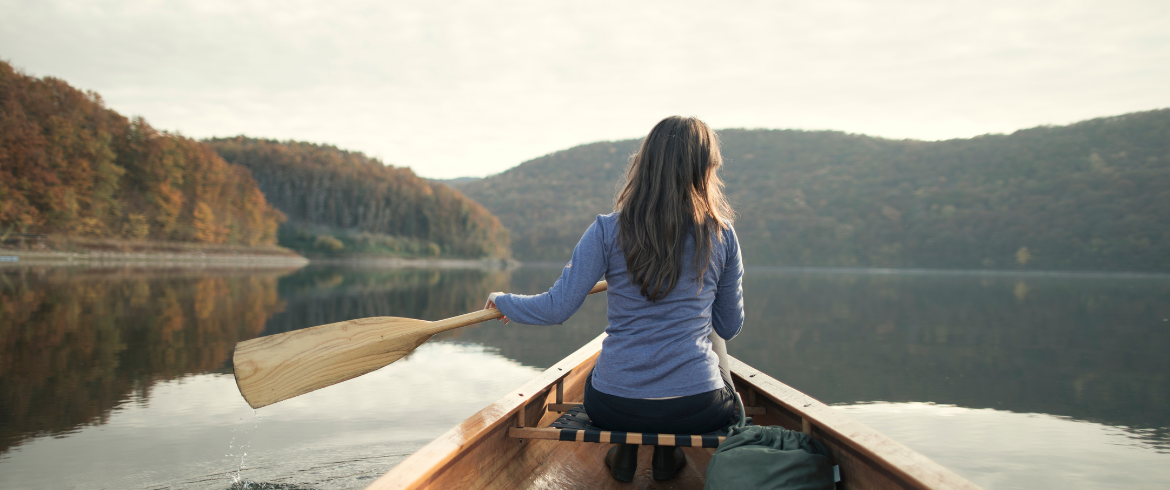
Discover how to explore remote wilderness destinations with safety, awareness, and respect for the environment through careful planning and responsible travel choices
Walking through a forest often feels like listening to the heartbeat of the planet. The sound of leaves beneath your feet can calm the mind, while fresh air restores a sense of balance and energy. For many people today, spending time in the wild has become a form of healing.
More travelers are leaving busy cities behind in search of rivers, mountains, and untouched landscapes. Yet nature demands respect. Exploring wild environments is not only about following a trail. It is a commitment to protect the land while protecting yourself.
Responsible exploration begins long before your boots touch the ground. It starts with careful preparation and a mindset focused on leaving minimal impact. When people travel to remote places, they quickly realize they are only temporary visitors in a much larger ecosystem.
With the right strategies, a wilderness journey becomes more than an adventure. It becomes a meaningful exchange between humans and the natural world.
Planning as the foundation of wilderness safety
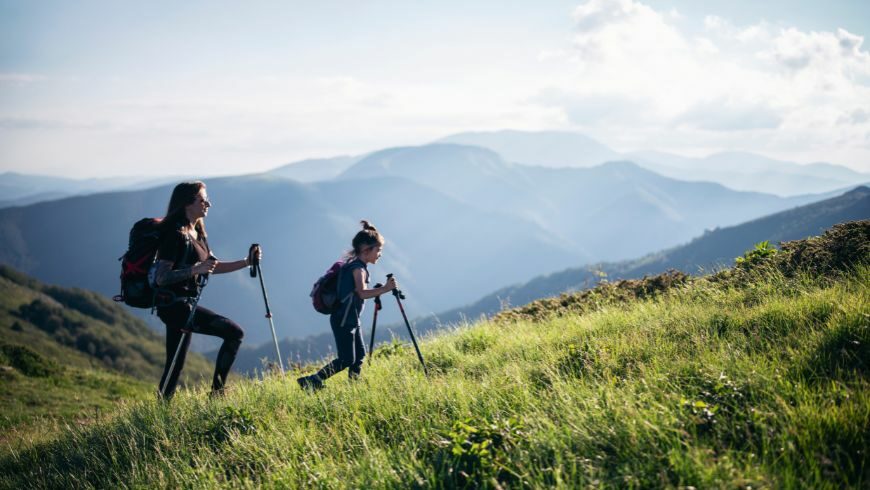
Preparing for a remote nature trip involves more than choosing hiking routes or checking the weather forecast. Travelers often need to download offline maps, access route information, or confirm last minute bookings at eco lodges and mountain refuges.
In situations like these, especially when using public WiFi networks in tourist areas or small accommodations, relying on a secure VPN can help keep your connection protected while organizing travel details.
Even while surrounded by forests and mountains, protecting your digital information provides peace of mind. Once the technical details are handled, it becomes easier to focus on what truly matters: enjoying the landscape and connecting with the environment.
Safety in wilderness destinations depends on preparation. Study the regional climate, understand the terrain, and research potential risks. Rivers can change quickly, weather conditions may shift within hours, and remote environments rarely offer immediate assistance.
Being prepared allows the adventure to remain inspiring instead of stressful.
Essential items for a responsible backpack

Packing thoughtfully helps ensure both safety and environmental responsibility during a wilderness trip.
- First aid kit: Carry essential supplies for small injuries along with any personal medications.
- Navigation tools: Bring a compass, printed maps, and a fully charged GPS device.
- Layered clothing: Weather conditions in remote environments can change rapidly during the day.
- Flashlight with spare batteries: Unexpected delays can leave hikers returning after sunset.
- Water filtration system: Portable filters allow safe hydration without relying on disposable plastic bottles.
Environmental ethics and the leave no trace philosophy
Responsible exploration means moving through nature without disturbing it. A simple rule guides ethical outdoor travel: take photographs and leave only footprints.
Ecotourism thrives when visitors become guardians of the places they explore. Every small action contributes to preserving fragile landscapes.
Respecting local wildlife and plant life
Observing animals in the wild should always be done quietly and from a safe distance. Feeding wildlife disrupts natural behavior and can harm animals over time.
The same principle applies to plants and natural objects. Avoid picking flowers or collecting stones as souvenirs. Leaving nature exactly as you found it ensures the ecosystem remains intact for future visitors.
Proper waste management
Everything you bring into the wilderness should return with you. This includes food scraps and fruit peels.
Although organic waste may seem harmless, it can disrupt local ecosystems, attract animals, or introduce foreign materials into delicate environments. Carry a small waste bag and dispose of trash only in appropriate locations once you return to towns or villages.
Choosing environmentally responsible accommodations

Where you sleep during your journey can significantly affect the surrounding environment.
Selecting eco certified lodges or sustainable mountain refuges helps support responsible tourism. These accommodations often use renewable energy, manage waste carefully, and operate with respect for the surrounding ecosystem.
| Ecological criterion | Why it matters | What to check before booking |
| Water management | Prevents waste in sensitive areas | Systems for rainwater collection or water reuse |
| Renewable energy | Reduces travel related carbon impact | Solar panels or wind generated electricity |
| Nature integrated architecture | Preserves visual harmony with landscapes | Use of local and natural building materials |
| Community support | Strengthens local economies and traditions | Employment of regional guides and producers |
Technology and connectivity in remote environments
Many travelers seek nature specifically to disconnect from constant digital noise. This break from technology can be refreshing and necessary.
However, complete disconnection may also present risks. The ideal approach is balance. Technology can enhance safety without disrupting the outdoor experience.
Several tools can help.
- Satellite communication devices: In regions without cellular coverage, satellite trackers can provide emergency contact capabilities.
- Solar powered chargers: Portable solar batteries help keep essential devices functioning during extended trips.
- Offline trail navigation apps: Downloading maps before leaving internet coverage ensures you can navigate remote trails.
- Trip itinerary registration: Always inform a trusted person about your planned route and expected return time.
The emotional impact of reconnecting with the wild

Time spent in untouched environments often changes the way people think and feel. The silence of mountains encourages reflection, while the vastness of oceans can shift perspective on everyday concerns.
Nature offers a form of therapy that requires no appointment.
Walk slowly and pay attention to small details. Notice the movement of the wind, the different shades of rock and soil, and the rhythm of natural sounds. The rush to reach a summit often distracts from the beauty of the journey itself.
Meaningful outdoor experiences also strengthen relationships. Without constant screen distractions, conversations become deeper and shared challenges build stronger friendships and family bonds.
These moments often become the most memorable parts of a trip.
The natural world as our shared home
Exploring wilderness destinations is a privilege. When travelers approach nature with awareness and respect, they help ensure these landscapes remain preserved for future generations.
True freedom in the outdoors exists alongside responsibility. Every decision made on a trail influences the health of the environment.
Show gratitude to the landscapes that welcome you. Respect the paths you follow. When you return home, carry the calm and perspective that only wild places can provide.
Being an environmentally conscious traveler is not a single action. It is a continuous choice. Each mindful decision helps keep forests alive, rivers clean, and wild places protected.
Immagine di copertina: foto di Te lensFix, Pexels