

Guests demand comfort while supporting environmentally responsible practices. Traditional heating and cooling systems consume excessive energy and increase greenhouse gas emissions. Properties that adopt green climate control solutions maintain comfortable indoor temperatures while reducing environmental impact. By combining smart technology and sustainable materials, eco-friendly stays can offer a cozy experience that guests truly appreciate. Energy-efficient systems cut utility costs and attract travelers who value sustainable stays. With this in mind, implementing smart thermostats, solar-powered HVAC, and high-performance insulation improves both comfort and reputation. Properties that ignore eco-friendly upgrades may lose appeal among environmentally conscious guests. Sustainable climate solutions create a more enjoyable stay while supporting a healthier planet for everyone.
Smart Thermostats: The Heart of Eco Comfort
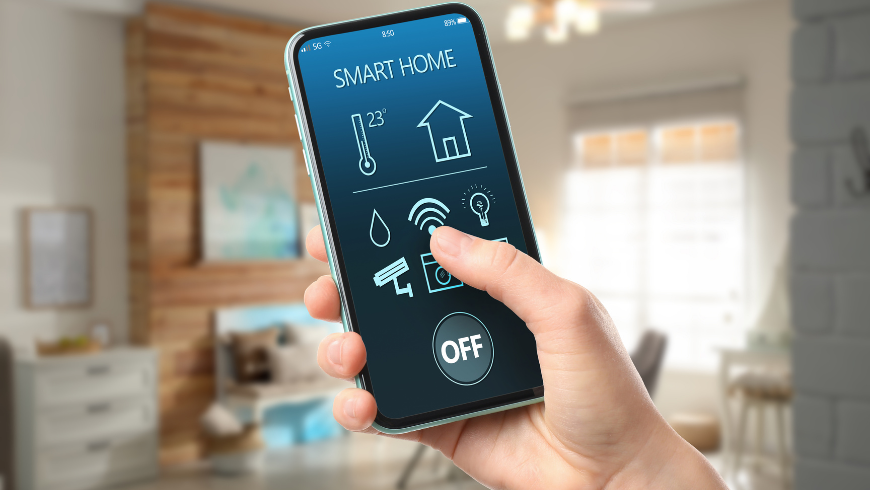
Smart thermostats show guests precise control over room temperatures through mobile apps or wall panels. Learning algorithms adjust heating and cooling based on usage patterns, reducing energy consumption without compromising comfort. The system sends notifications for maintenance and highlights opportunities for further energy savings. To improve guest experience, thermostats adapt automatically to daily routines and occupancy. They also integrate with other eco-friendly systems, such as solar HVAC or energy-efficient ventilation, creating consistent comfort throughout the property. Guests can personalize their comfort while knowing they’re supporting a sustainable stay, a feature that resonates with eco-conscious travelers. On the other hand, properties without smart climate control risk higher costs and lower guest satisfaction compared to sustainable alternatives.
Energy-Efficient HVAC Systems for Sustainable Stays
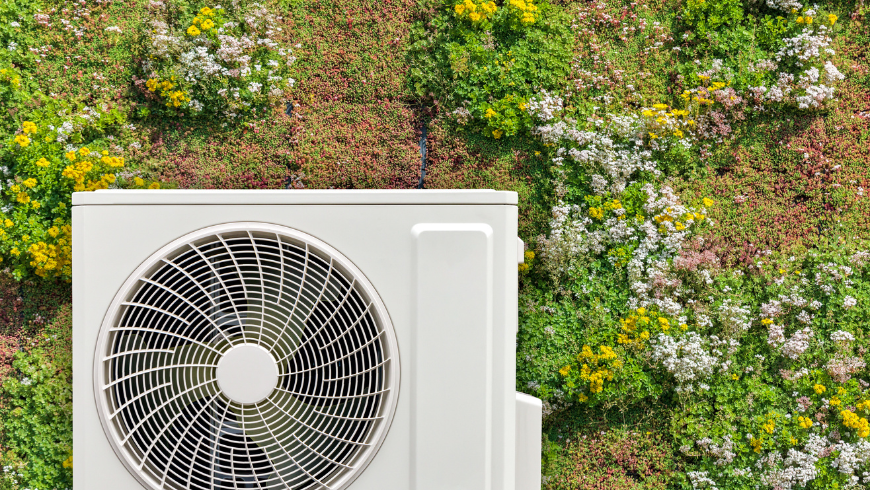
Energy-efficient HVAC systems maintain comfort while cutting energy costs. Hence, properties reduce their environmental impact without sacrificing temperature control. Modern units use variable-speed compressors and smart zoning to heat or cool only occupied areas. Similarly, advanced filtration purifies air and makes rooms comfortable. Benefits include:
- Lower electricity bills
- Reduced greenhouse gas emissions
- Quieter operation
- Better temperature consistency
Energy-efficient systems also integrate with smart thermostats, enhancing overall performance. Relying on outdated HVAC increases energy use and guest complaints. Guests notice comfort differences, making efficiency a noticeable advantage.
Natural Ventilation: Letting Fresh Air Lead

Designing buildings for natural ventilation improves comfort without excessive energy use. Cross-ventilation reduces dependency on mechanical cooling and provides fresh, clean air. Windows, vents, and airflow paths work together to maintain consistent temperatures. In order to maximize efficiency, automated sensors can open vents only when outside conditions support comfort. Natural airflow also reduces humidity and prevents stale air, improving health and wellness for guests. Using this method alongside green climate control solutions enhances sustainability. Poorly designed ventilation can cause energy waste and discomfort. Smart planning ensures both comfort and environmental responsibility.
Smart Window and Shading Systems
Automated window and shading systems efficiently regulate sunlight and temperature. Besides, they reduce glare and prevent overheating in summer while allowing warmth during winter. Light sensors adjust blinds based on outdoor brightness, maintaining optimal indoor conditions. Integrating shades with HVAC and thermostats reduces energy consumption. Properties gain benefits such as:
- Lower cooling and heating costs
- Consistent indoor temperatures
- Enhanced guest comfort
- Reduced carbon footprint
Smart shading creates energy-efficient, comfortable spaces without compromising natural light. Then again, ignoring window management can lead to high energy bills and uneven room temperatures, reducing guest satisfaction and sustainability.
Eco-Friendly Insulation Materials
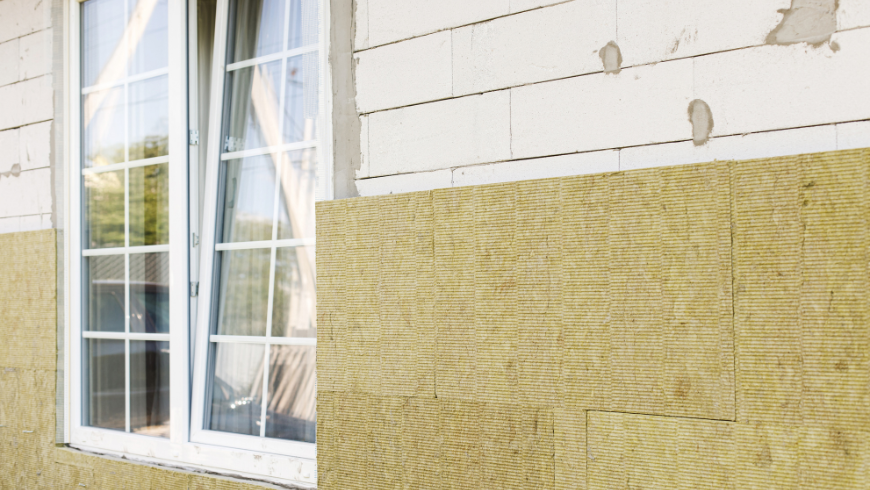
Eco-friendly insulation stabilizes indoor temperatures and reduces energy. For this reason, sustainable options such as recycled cotton, cellulose, and sheep’s wool replace conventional materials. These solutions prevent heat loss in winter and heat gain in summer. Better insulation improves HVAC efficiency, lowering operating costs while maintaining comfort. Properties benefit from soundproofing, improving privacy, and reducing noise complaints. Properly insulated rooms retain heat longer, reducing the need for constant heating. Traditional insulation wastes energy and compromises comfort. Investing in green materials contributes to energy savings, sustainability, and a more pleasant guest experience.
Embracing Green Climate Control Solutions for Comfortable Stays
Adopting green climate control solutions enhances comfort while reducing environmental impact in eco-friendly stays. Properties benefit from lower energy costs, happier guests, and sustainable operations. Above all, integrating smart thermostats, energy-efficient HVAC, and insulation ensures a comfortable, responsible stay. Sustainable comfort attracts travelers who value efficiency and environmental care.

Author’s Bio: Rebecca Anderson is a former employee of Elite Moving & Storage. She shares practical insights that help businesses and homeowners improve comfort while reducing environmental impact. Her work now focuses on eco-friendly living, energy efficiency, and smart property solutions tailored for sustainable tourism.