
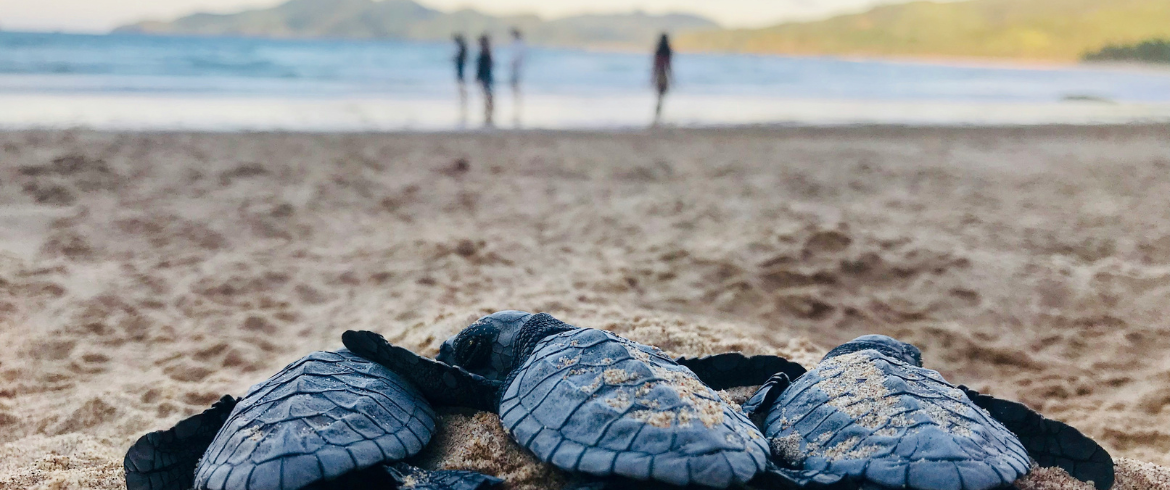
Where conservation, science, and community come together
Along the wild Caribbean coast of Costa Rica, the Turtle Love Project Costa Rica is working to protect one of the ocean’s oldest and most fascinating creatures: the sea turtle.
Located in Tortuguero National Park, the Turtle Love project proves that conservation and community engagement can go hand in hand and that small local actions can leads into global change.
For those seeking meaningful experiences and sustainable travel, this is one of those beautiful projects that truly make you feel good about giving back.
More Than Beautiful Creatures: Why Sea Turtles Matter
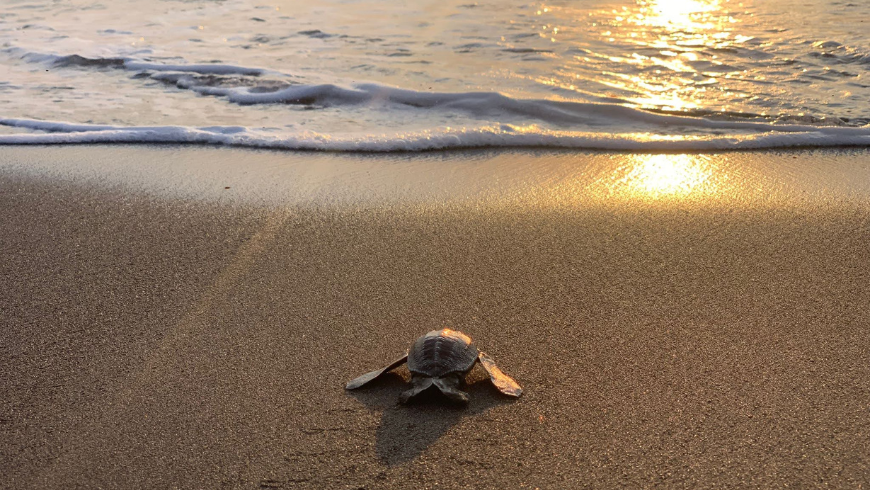
After more than 100 million years of survival and adaptation, sea turtles now stand on the edge of extinction. Illegal hunting, egg collection, and habitat loss have pushed all seven species into danger, some of them really critically.
In parts of Central America, turtle meat and eggs are still consumed or sold as souvenirs, and turtle shells are used in handicrafts. Globally, the illegal wildlife trade generates an estimated $23 billion USD each year.
In Costa Rica, the law is paradoxical: hunting and selling turtles are crimes, but buying them is not.
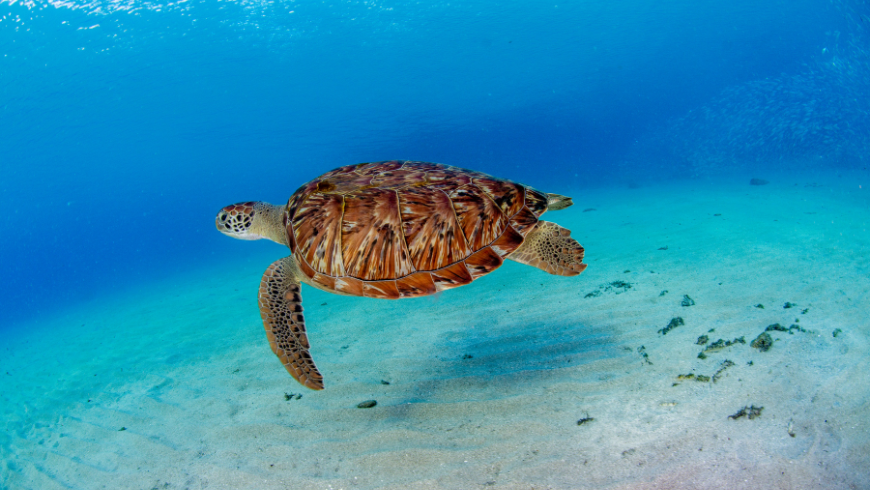
Yet these gentle wanderers play a vital ecological role. They help maintain coral reefs, seagrass beds, and beach fertility, and they connect entire ecosystems as they migrate across oceans. Protecting wildlife is a crucial point of environmental conservation and ecotourism.
Turtle Love Project Costa Rica: Where Science Meets Community
Founded in 2019 in Tortuguero National Park, the Turtle Love Project Costa Rica is a non-profit organization that protects sea turtles through science, education, and community involvement.
When we started, around 90% of nests were stolen for consumption. Today that rate is between 10 and 20%. It’s an incredible change that shows the power of community engagement.
Says Renato Bruno, the project’s president and scientific director.
Their work combines scientific monitoring, responsible ecotourism, and environmental education. And the results are inspiring:
- Over 5,000 nests protected
- More than 500,000 hatchlings released
- 70% reduction in nest destruction
Beyond sea turtles, the team also studies freshwater and terrestrial turtles, and collaborates with the park to monitor other wildlife — including jaguars, pumas, and tapirs.
Education: The Heart of Change
Every week, Turtle Love visits local schools and participates in community festivals, teaching children about nature and conservation.
When children grow up understanding how nature works, conservation becomes second nature.
Says Renato Bruno, the project’s president and scientific director.
Through workshops and outdoor activities, they inspire new generations to protect their environment, ensuring that respect for wildlife becomes a lasting value. Travelers and volunteers must be mindful and respectful with the environment, specially with waste and photography.
Ecotourism and Local Benefits
Turtle Love also develops community-based ecotourism, allowing visitors to join conservation work responsibly.
When people see that a living turtle is worth more than its meat or eggs, the logic changes. A living turtle benefits an entire community, not just one person.
Says Renato Bruno, the project’s president and scientific director.
About 60% of project funds go directly to local people through salaries and activities, creating a circular economy where nature and community both thrive.
Still, challenges remain. Tourism fluctuations make funding unstable, and the team relies heavily on donations and partnerships to sustain its impact.
How You Can Take Part
Turtle Love welcomes volunteers from all over the world, people eager to learn, contribute, and live a meaningful experience in the heart of nature. Here are some practical ways you can help with:
Night Patrols
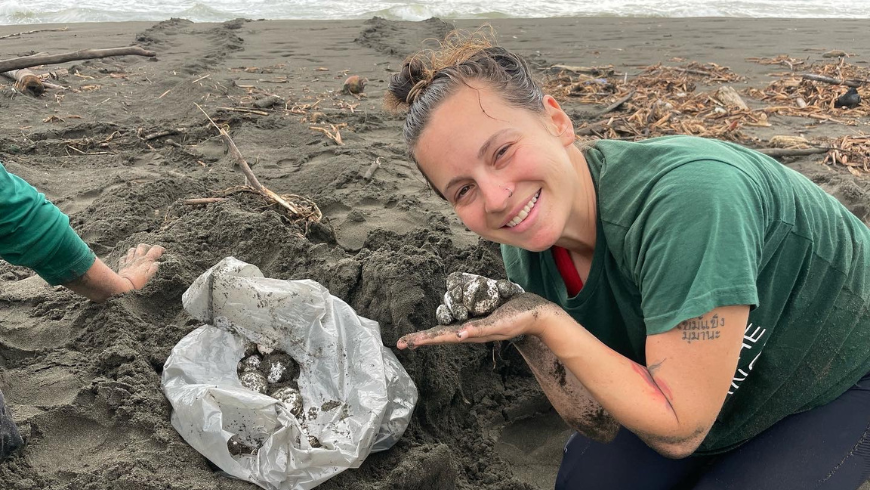
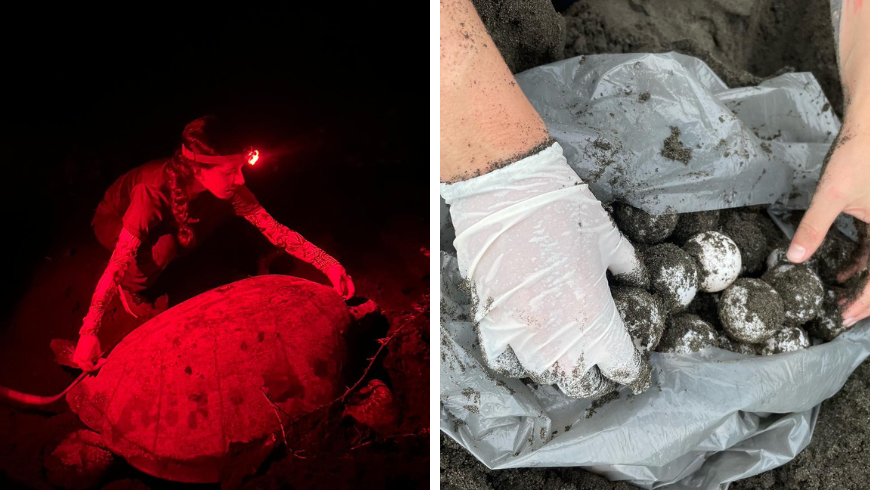
Walk silently along the beach between 11pm and 4am to protect nesting turtles, collect eggs from risky areas, and record scientific data. Witnessing a turtle lay her eggs under the stars is an unforgettable moment.
Morning Censuses
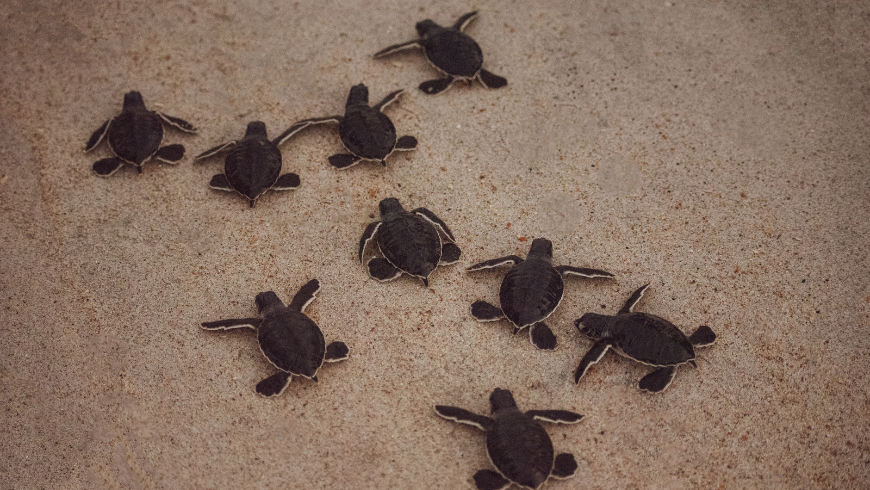
At sunrise, volunteers monitor hatchlings, ensuring baby turtles reach the ocean safely, it is a moving glimpse of life’s resilience.
Environmental Education & Community Engagement
Join school visits, help with workshops, or assist in beach clean-ups. Every small act contributes to a larger wave of awareness.
Wildlife Monitoring
Help install camera traps that capture local fauna (from colorful birds to jaguars) contributing to scientific studies and biodiversity mapping.
Joining Turtle Love means more than watching baby turtles hatch. It means becoming part of nature’s cycle and understanding that protecting the ocean means protecting ourselves.
Feeling inspired? Visit their website: https://www.turtlelovecr.org/ to learn more and reserve your volunteer spot!
Why It Matters
Projects like Turtle Love are powerful examples of the United Nations Sustainable Development Goals, especially Goal 14: Life Below Water and Goal 15: Life on Land.
They show that conservation isn’t just about saving animals but it’s also about building resilient communities and protecting the planet we all share.
The Turtle Love Project Costa Rica shows how conservation, science, and community can work together to protect marine life for future generations.


