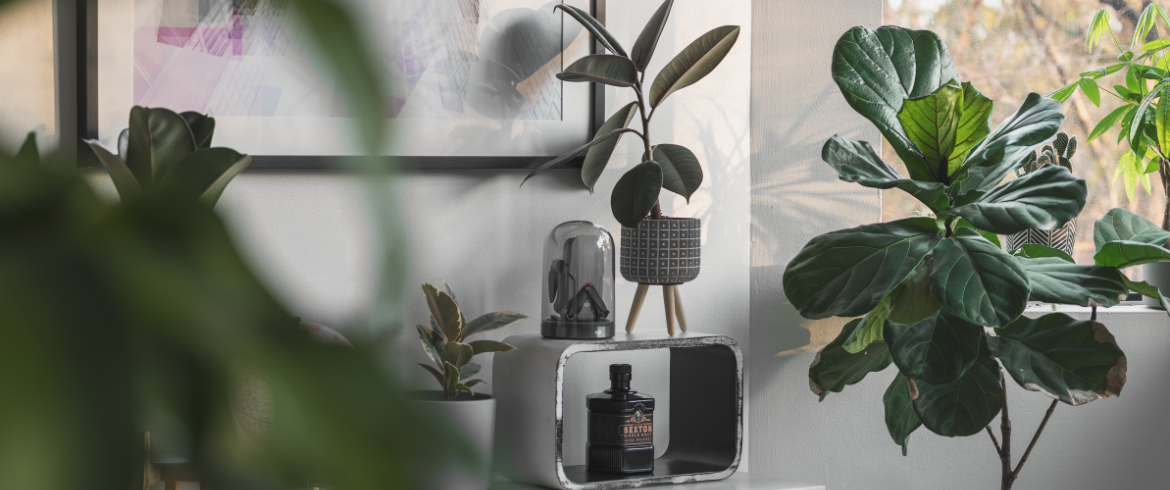
Houseplants reduce carbon dioxide and fine dust, which can help reduce indoor pollution and improving the quality of the air inside homes and apartments. This is especially important when we consider that we spend about 35% of our time at school or in the office and as much as 59% of our time at home.
So how can we make the air inside rooms healthier?
The answer is simple, natural, and effective: with plants.
Indoor Pollution: An Underestimated Problem
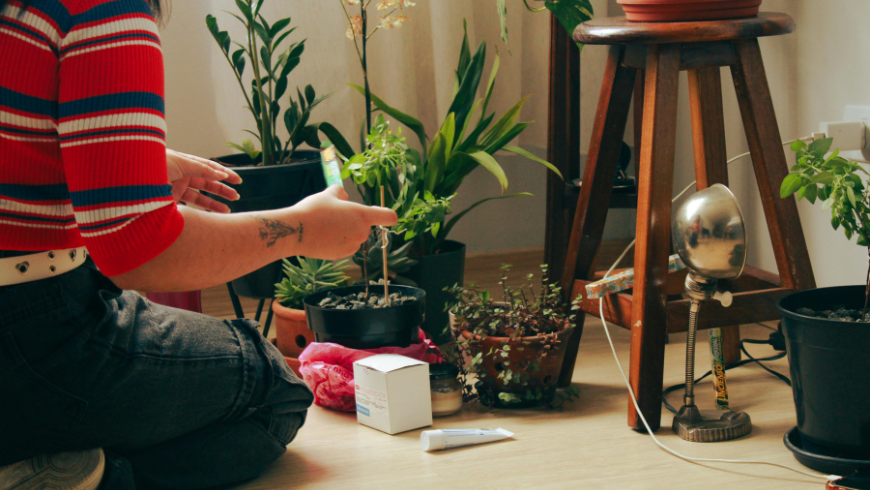
When we think of pollution, we immediately think of traffic, smog, and congested cities. You notice it when you walk to work or walk the dog.
But what we often forget is that indoor air can also be very polluted.
According to the United States Environmental Protection Agency (EPA), indoor pollution is among the top five risks to public health. That’s a fact we cannot ignore when we spend so much time indoors.
The Italian Institute for Environmental Protection and Research (ISPRA) also confirms that we spend most of our lives in closed environments — especially children and the elderly — where we are in contact with numerous pollutants, including:
- carbon monoxide
- nitrogen dioxide
- formaldehyde
- volatile organic compounds (VOCs)
- benzene
- PM10 particles
Improving indoor air quality, therefore, becomes a real priority.
Sick Building Syndrome: What It Is and What the Symptoms Are

Poorly maintained air conditioning systems, inadequate ventilation, high carbon dioxide concentration, chemical detergents, pesticides, and furniture materials all contribute to what’s known as sick building syndrome.
The most common symptoms include:
- Irritation of eyes, nose, and throat
- Persistent headache
- Nausea and fatigue
- Allergies and asthma
This combination of discomfort makes daily well-being and quality of life worse.
How to Improve Indoor Air Quality
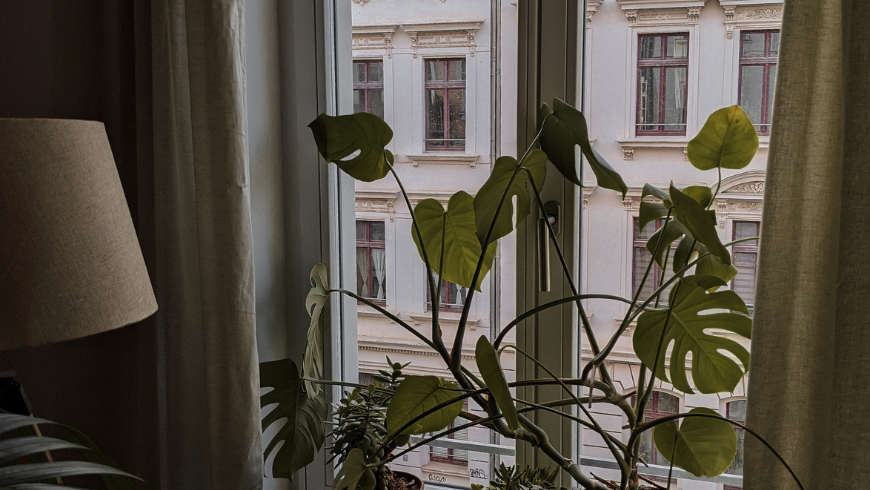
To counter indoor pollution, it’s important to adopt some good practices:
- airing out rooms often
- checking and cleaning cooker hoods and chimneys
- keeping HVAC and heater filters clean
- using natural detergents
- using air purifiers
And, of course, introducing purifying houseplants.
The Best Houseplants That Purify the Air
Many types of plants can help; let’s explore them together.
Pothos
Pothos is perfect even for those without a green thumb: it’s resilient and easy to grow. It absorbs chemicals such as formaldehyde, which is present in paints and synthetic materials.
Only thing to keep in mind, it needs good light.
Aloe Vera

Aloe Vera is known for its beneficial properties, but it’s also an excellent ally against indoor pollution. It absorbs substances like benzene and is ideal even in the bedroom because it releases oxygen during the night.
Yucca
Not to be confused with the “Lucky Bamboo,” Yucca loves warm, humid environments. It is effective at absorbing toxic substances like ammonia, which is often found in detergents.
Fern

The fern is perfect for the bathroom: it absorbs excess humidity and helps eliminate formaldehyde and benzene that are present in cosmetics and cleaning products.
Kenzia
Thanks to its large, palmate leaves, Kenzia manages to absorb many pollutants and produce a considerable amount of oxygen. It’s ideal for living rooms and offices.
Orchid
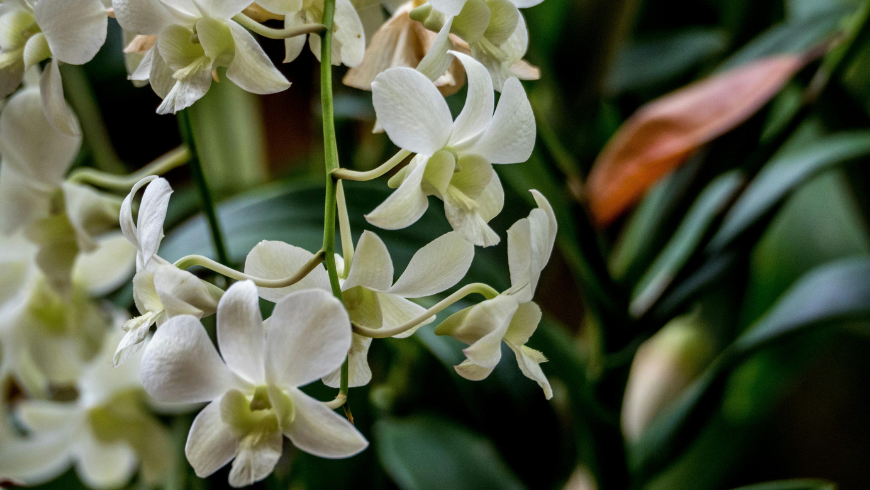
Orchid is an elegant and functional plant: it improves breathing at night and can even absorb external exhaust gases, making it ideal for people living in high-traffic areas.
Limited Space at Home? No Problem
You don’t need a large home to enjoy the benefits of plants. If space is limited, you can:
- place them on furniture and shelves
- hang them from the ceiling with hooks
- create small vertical green corners
Even a few pots can make a difference!
Conclusion
Houseplants reduce indoor pollution, improve air quality, and make environments more welcoming and sustainable. It’s a simple, natural gesture that fits perfectly with an eco-friendly lifestyle.
To learn more: houseplants reduce pollution and improve indoor well-being