
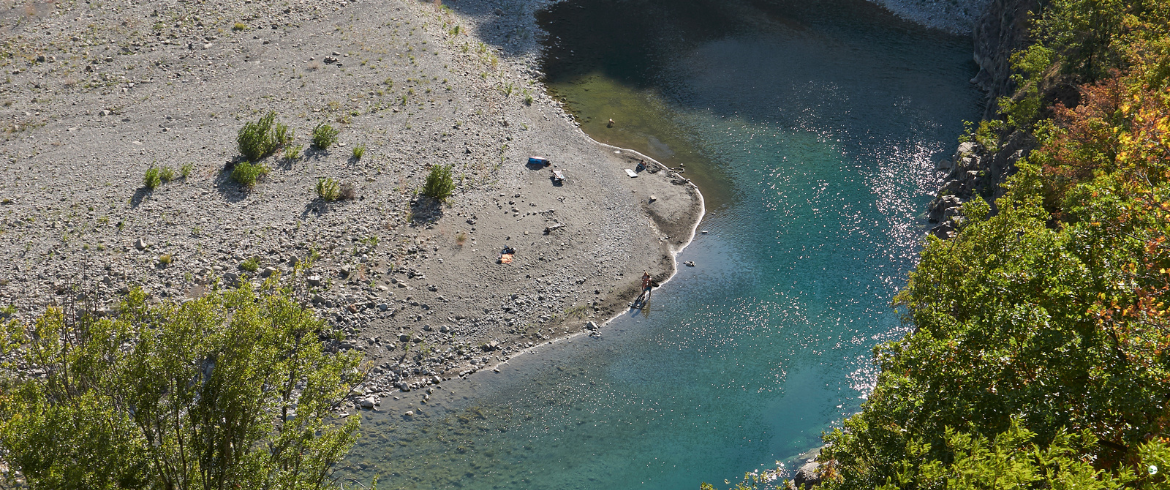
It is said that, according to Hemingway, the most beautiful valley in the world is in Italy. It was 1945 when he crossed the Trebbia Valley as a journalist following the Allied troops during the Liberation, and he was deeply struck by its river landscapes, lush green slopes, and dense woodlands.
The Trebbia Valley is an authentic destination, crossed by one of the cleanest rivers in Italy and dotted with villages, trails, forests, and breathtaking views that invite slow, mindful travel.
If you are looking for a green holiday, far from mass tourism, this guide is for you. Here you will discover what to see, what to do, and where to stay sustainably in the Trebbia Valley.
Where the Trebbia Valley Is and Why It’s a Green Destination
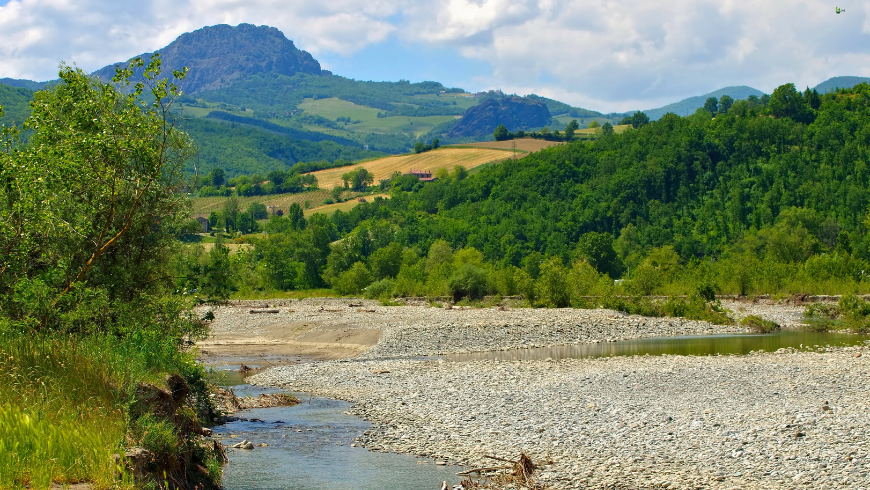
The Trebbia Valley follows the course of the river of the same name, stretching from the province of Piacenza in Emilia-Romagna into the Ligurian Apennines, almost reaching the province of Genoa. It is a valley that has preserved a strong bond with its natural identity: landscapes shaped by water, oak and chestnut forests, green hillsides, and small hilltop villages seemingly frozen in time.
This unique combination makes the Trebbia Valley an ideal destination for those seeking a sustainable holiday. The area encourages slow movement, favouring walking, cycling, and horse riding, and offers outdoor experiences that respect the natural balance. The river itself, among the cleanest in Italy, symbolises a valley that remains authentic, far from mass tourism and perfect for reconnecting with nature in a conscious way.
What to See in the Trebbia Valley: Villages, Nature and Stunning Views
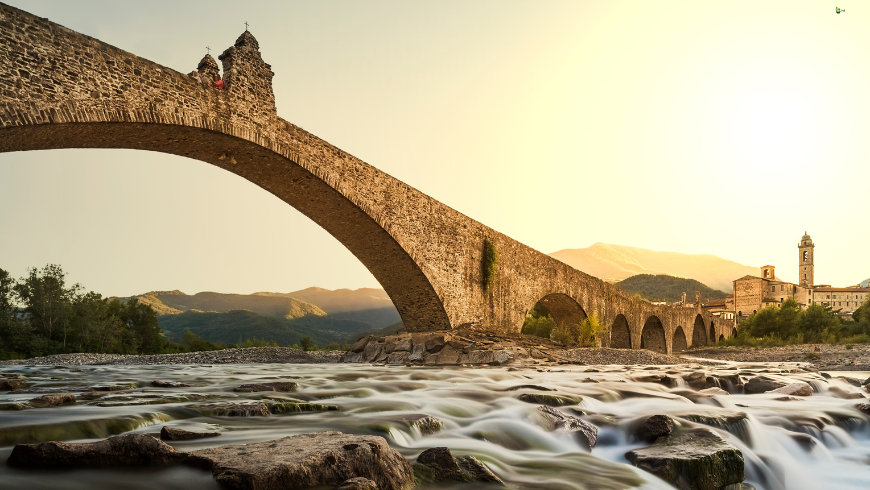
One of the Trebbia Valley’s greatest strengths is its perfect balance between nature and culture. Among the must-see stops is Bobbio, one of Italy’s most beautiful villages, famous for its iconic Ponte Gobbo (also known as the Devil’s Bridge), the Abbey of San Colombano, and a historic centre made for slow wandering. Another gem is the village of Rivalta, home to the Castle of Rivalta, a fortress still inhabited by the Zanardi Landi family and open to visitors through guided tours.
Continuing along the valley, you’ll encounter small villages and hamlets surrounded by greenery, ideal for travellers who love discovering authentic, lesser-known places. Scenic viewpoints along the road offer spectacular views over the river and its gorges, especially at sunset.
Nature, however, remains the true protagonist: river beaches perfect for summer relaxation, cool forests even during the hottest months, and landscapes that change with the seasons, making the Trebbia Valley a wonderful destination all year round.
Nature Itineraries: By Bike and On Foot
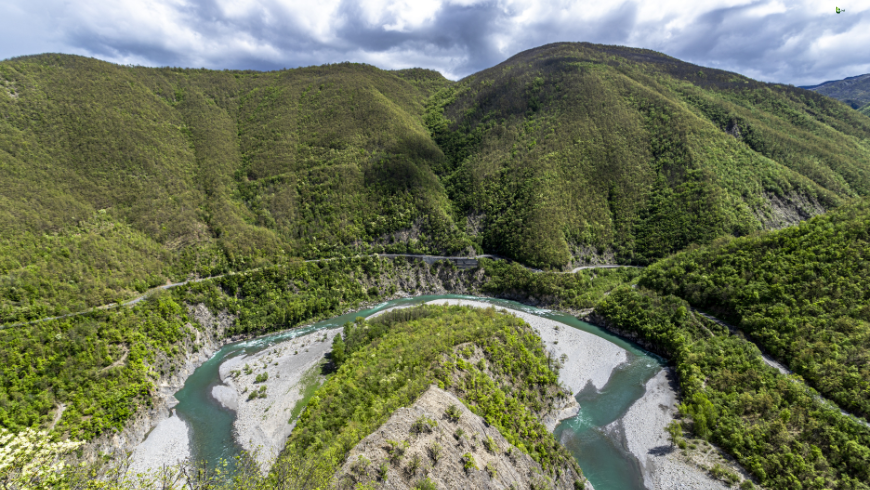
Cycling Route: the Trebbia Cycle Path
If you enjoy cycling immersed in nature, the Trebbia Cycle Path is a perfect way to explore the valley at a relaxed pace. Starting in Piacenza, it follows the river towards Rivergaro, passing villages, meadows and tree-lined riverbanks. The route, about 50 km round trip, is ideal for touring bikes or e-bikes, with mostly flat sections alternating with gentle, scenic ups and downs.
Along the way, you can admire the variety of river landscapes and stop to explore small historic villages, enjoying beautiful river views that are perfect for a restorative break.
Walking Route: From the Trebbia Gorges to the Carlone Waterfalls
For those who love hiking surrounded by forest silence, a must-do walk leads to the Carlone Waterfalls, near Bobbio. This trek winds through rocky gorges, streams, and panoramic viewpoints over the valley.
It’s an ideal half-day hike, suitable for those accustomed to mountain trails. Walking through oak and chestnut woods towards the waterfalls offers a deep sense of immersion in nature, with plenty of opportunities for photos and quiet contemplation.
Other routes in the valley include trails in the upper valley and connections to the Ligurian Apennines, perfect for travellers who want to explore the Trebbia Valley slowly and discover wild, unspoilt corners.
Horse Riding: Slowness and Connection with the Land
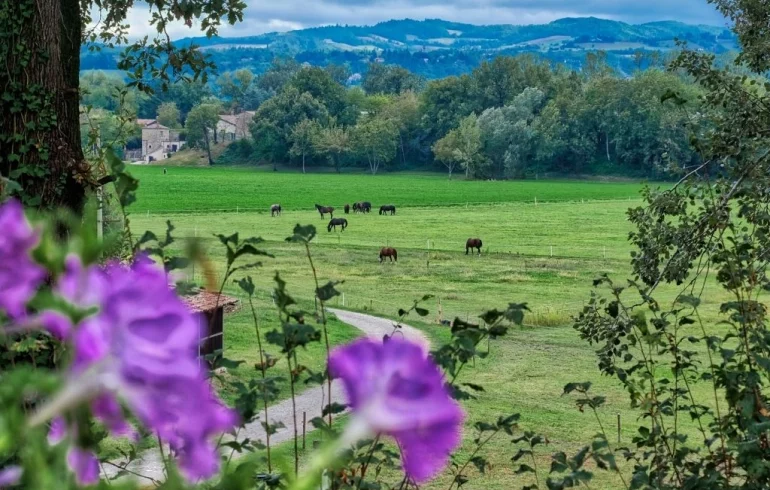
The Trebbia Valley also offers unique experiences for those who wish to explore nature from a different perspective, such as horseback riding along shaded trails or near the riverbanks.
At the riding centre of Agriturismo Croara Vecchia, guided horse rides are available for both beginners and experienced riders, immersed in the peace of the woods and the golden light of open meadows. This activity is not only a slow and respectful way to explore the landscape, but also an opportunity to connect with these magnificent animals and experience the valley from a new point of view.
What to Eat in the Trebbia Valley: Authentic Local Flavours
Those wondering what to eat in the Trebbia Valley will discover a rich, authentic cuisine deeply rooted in the land. Throughout the valley, the flavours of Piacenza’s culinary tradition dominate, enriched by highly local specialities that tell an even more specific story: Bobbio alone boasts five products with De.Co. certification.
Among the first courses are maccheroni alla bobbiese, handmade pasta shaped using a traditional metal rod, the impressive bomba di riso di Bobbio, a rice timbale filled with pigeon ragù, the famous pisarei e fasò, and the lesser-known but delicious “pin”, ricotta-based dumplings with bread and herbs.
Main dishes reflect a robust rural tradition, from Bobbio-style snails, slowly cooked with a rich soffritto, to Piacenza-style lamb with a hint of lard, donkey stew in red wine, and brachettone di Bobbio, a traditional sausage served with mashed potatoes or lentils. All perfectly paired with a glass of Colli Piacentini Trebbianino, a white wine produced exclusively in the Trebbia Valley.
Where to Stay in the Trebbia Valley: A Truly Sustainable Choice
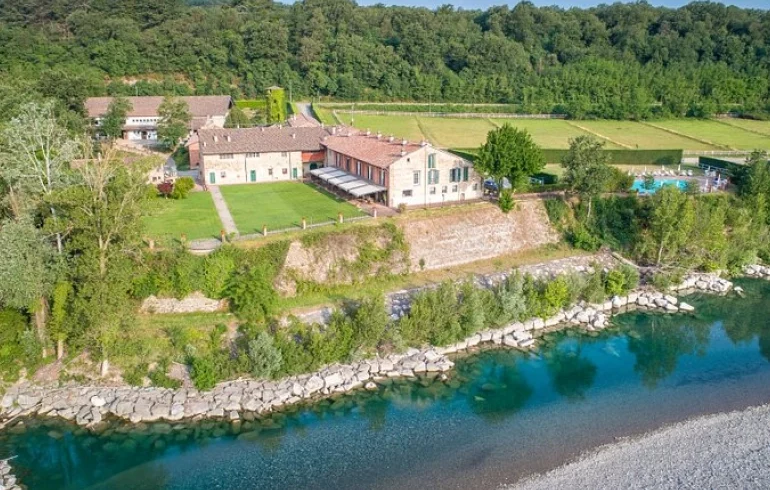
To fully embrace the green spirit of the Trebbia Valley, choosing the right accommodation is essential. Among the stays most in harmony with the territory is Agriturismo Croara Vecchia, an agricultural estate stretching for about one kilometre along the Trebbia River, surrounded mainly by forests, meadows and river floodplains.
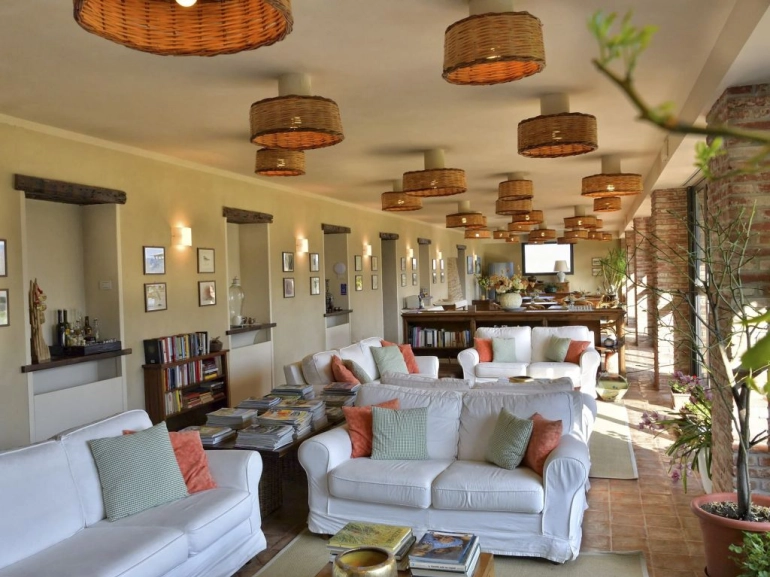
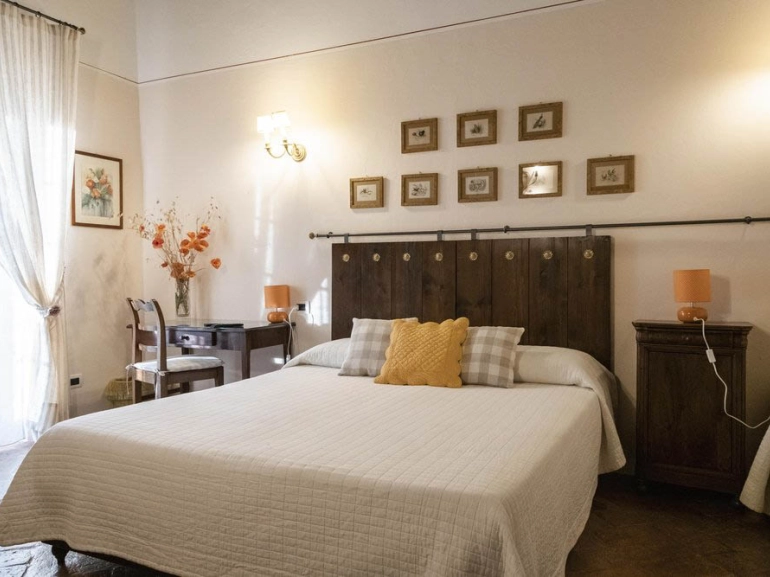
An ancient convent on the property has been carefully restored and transformed into a welcoming accommodation, offering units of various sizes that blend seamlessly into the surrounding landscape. Staying here is an invitation to slow down: horse rides through the woods, nature walks to discover the flora and fauna of the Trebbia Park, and moments of relaxation in the swimming pool overlooking the river.
Croara Vecchia is also a vibrant cultural space. In the small church annexed to the former convent, theatre courses, creative activities, and cultural events are held, fostering a dialogue between nature, art, and community. Strong attention is also given to biodiversity: the estate contributed to the creation of the Piacenza Wildlife Rescue Centre, hosted in a separate area of the property and dedicated to the care, rehabilitation, and release of local wildlife in need.
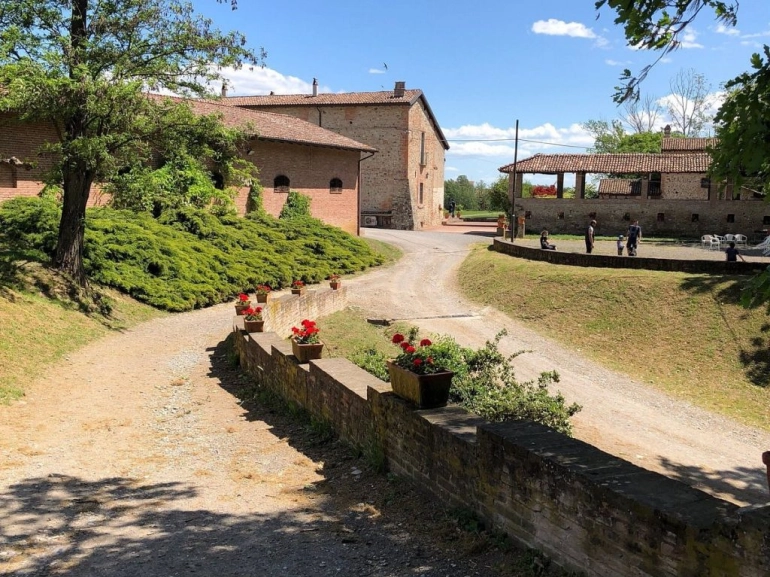
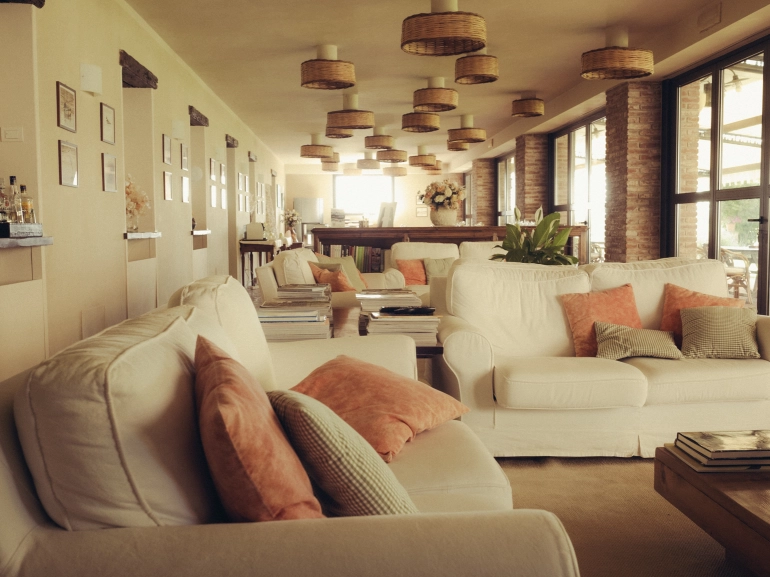
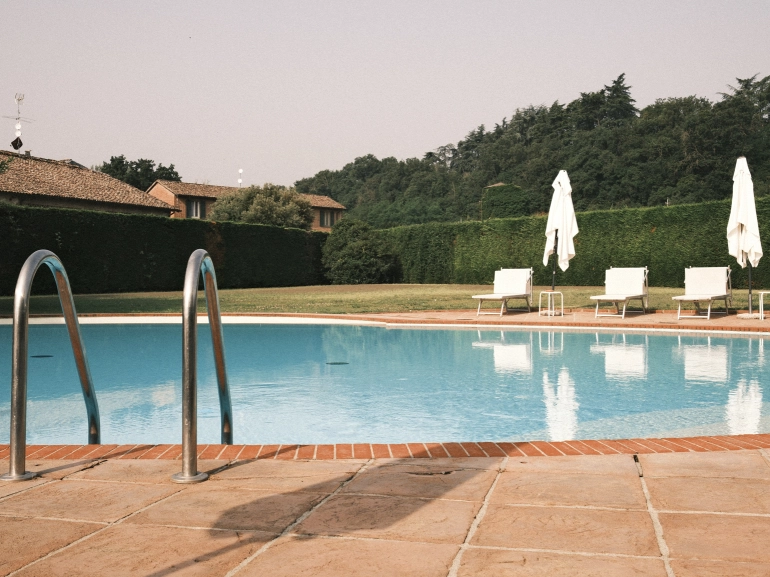
Just a few kilometres away are the Castle of Rivalta, Bobbio, and the city of Piacenza, making this agriturismo an ideal base for exploring the valley while enjoying authentic, conscious hospitality.
 AGRITURISMO CROARA VECCHIA – Green Bed & Breakfast in Gazzola, Provincia di Piacenza, Emilia-Romagna, IT


