
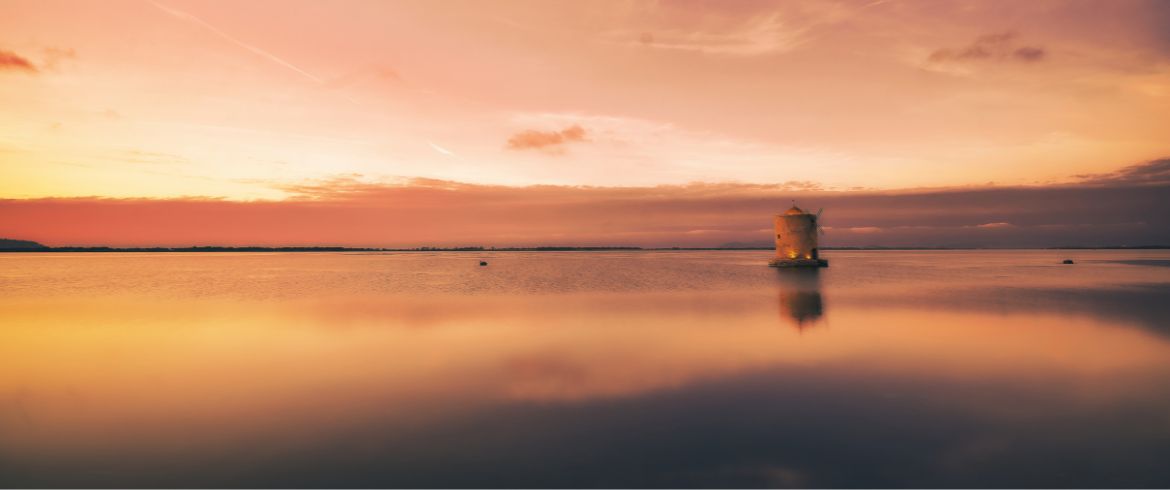
From the Tuscan lagoons to the Sicilian salt pans, through the forests of Cilento and the mountains of the Biella area, Italy is home to extraordinary places where nature takes centre stage.
WWF oases protect precious environments that support biodiversity and offer the opportunity to observe landscapes, plants and animals up close, many of which we usually only encounter in photographs and documentaries. They are ideal destinations for a day trip, a family outing or a weekend spent discovering Italy’s natural heritage.
Join me on a journey to discover 5 WWF oases and natural areas to visit in Italy, from north to south. Five different places, united by their rich ecosystems and the opportunity to enjoy more responsible nature-based tourism.
1. WWF Orbetello Lagoon Oasis, Tuscany
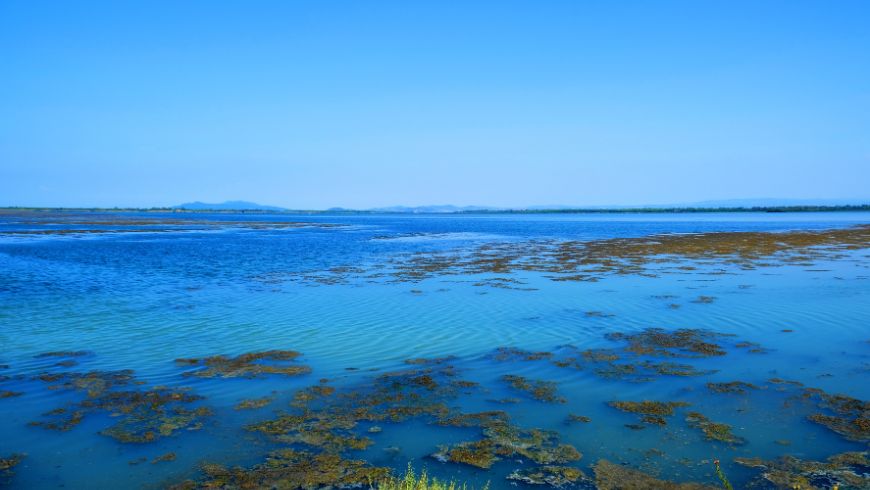
The Orbetello Lagoon, in the province of Grosseto, is one of Tuscany’s most enchanting wetland areas. The WWF Oasis was established in 1971 after a small breeding colony of black-winged stilts was discovered. At the time, the species was believed to have disappeared from Italy.
The Oasis covers approximately 870 hectares and forms part of a larger regional nature reserve. The lagoon is a valuable habitat for numerous bird species and an ideal destination for anyone who enjoys observing wildlife in its natural environment.
What makes Orbetello Lagoon special?
The charm of this wetland lies in the meeting of water, vegetation and light. The lagoon’s colours change throughout the day, creating reflections ranging from blue to pink, particularly during the quieter hours.
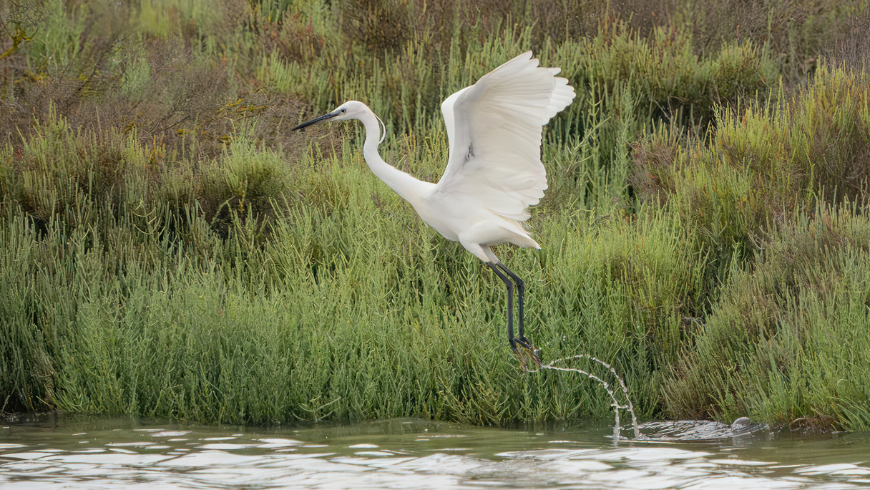
Here, you can spot a variety of waterbirds, including flamingos, herons, ducks and other migratory species. With a little patience and a pair of binoculars, birdwatching becomes an opportunity to discover the diversity of life that thrives in this ecosystem.
What can you do at the Orbetello Oasis?
A visit to the Oasis gives you the chance to explore nature trails, watch birds and learn more about the importance of wetlands in conserving biodiversity.
Also worth a visit is Casa Pelagos, an interactive museum and environmental education centre dedicated to the Pelagos Sanctuary, a protected marine area spanning the waters of Italy, France and Monaco and dedicated to the conservation of marine mammals.
When should you visit?
Spring is an excellent time to visit the lagoon, especially if you enjoy birdwatching and environmental education activities. The other seasons can also offer rewarding wildlife encounters.
Before your visit, check the access arrangements: opening hours and visiting options vary throughout the year, and guided tours are available on specific days during the summer. For the latest information, visit the official Oasis website.
2. WWF Oropa Botanical Garden, Piedmont
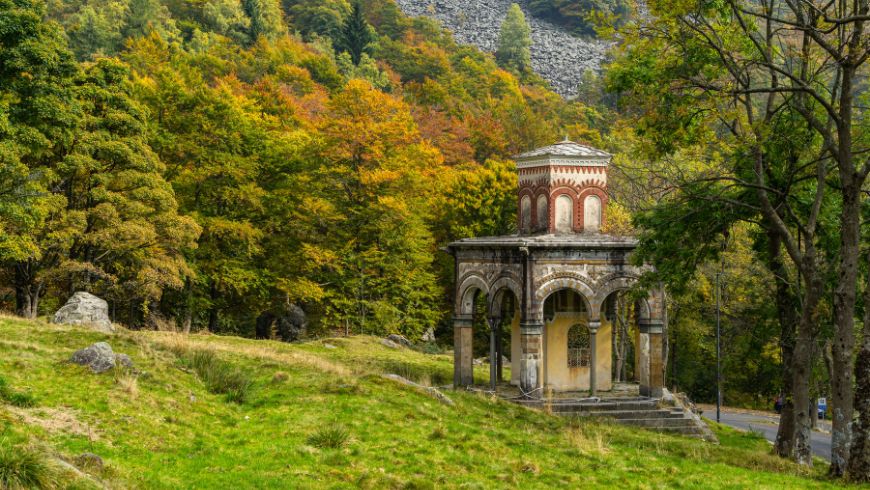
At an altitude of approximately 1,200 metres, near the Sanctuary of Oropa, the Botanical Garden is an ideal destination for anyone wishing to discover alpine flora and explore the diversity of mountain environments.
The garden covers approximately 10,700 square metres and is part of the WWF Oasis network. Located in the Biella area, it allows visitors to observe numerous plant species up close and learn more about the relationship between plants, climate and landscape.
What makes Oropa Botanical Garden special?
One of its main features is the division into different natural habitats, allowing visitors to discover local wild flora and admire plant collections from mountain regions around the world.
It is a journey into plant biodiversity that is accessible even to visitors without specialist botanical knowledge. As you walk among the collections, you can learn to recognise different species, their adaptations and the characteristics that help plants survive in different climatic conditions.
What can you do at Oropa Botanical Garden?
You can walk along the trails, explore the recreated habitats and use the available information materials to follow themed self-guided routes.
A visit is also an opportunity to introduce children to the world of plants and help them understand why protecting natural habitats is essential for preserving species.
You can combine your visit with a walk around the Sanctuary of Oropa, which is part of the UNESCO-listed Sacred Mountains of Piedmont and Lombardy.
When should you visit?
The garden generally opens from spring until early autumn. Summer is particularly suitable for seeing the botanical collections at their best.
For 2026, the garden announced its seasonal opening from 1 May, with opening hours varying by month. Before setting off, check for updates on the official Oropa Botanical Garden website.
3. WWF Bussento Caves Oasis, Campania
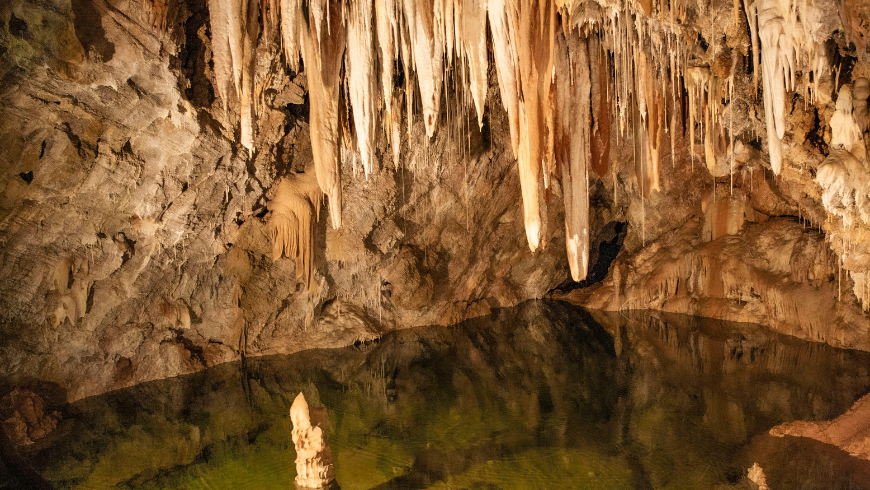
In the heart of Cilento, near the village of Morigerati in the province of Salerno, the WWF Bussento Caves Oasis protects a remarkable landscape shaped by water over thousands of years.
The area covers approximately 607 hectares within the Cilento, Vallo di Diano and Alburni National Park. Its most distinctive feature is the underground course of the Bussento River, which disappears beneath the ground before emerging again in an area of considerable geological interest.
What makes the Bussento Caves special?
The karst landscape that characterises the Oasis has created gorges, caves and river resurgence springs. Water has shaped the terrain, creating a variety of microhabitats where vegetation changes according to humidity, exposure and the contours of the land.
Mosses, ferns, alders and willows line the watercourse, while numerous animal species find shelter in the surrounding woodland.
Wildlife in this ecosystem includes otters, freshwater crayfish and freshwater crabs. If you are lucky, you may also spot signs of elusive mammals such as porcupines and wildcats.
What can you do at the Bussento Caves Oasis?
Your visit can begin in the historic centre of Morigerati, where a trail descends towards the valley floor through lush vegetation.
Along the way, you will encounter springs, small waterfalls and an old stone mill. The trail leads to the cave where the Bussento River re-emerges after flowing underground.
This hike offers the chance to see how water transforms the landscape, but care is needed: some sections are steep, making the route unsuitable for everyone.
When should you visit?
The Oasis can be visited throughout the year by reservation, but it remains closed on rainy days and when weather conditions are unfavourable. Before setting off, check seasonal opening hours and access arrangements on the official WWF website.
4. WWF Trapani and Paceco Salt Pans Nature Reserve, Sicily
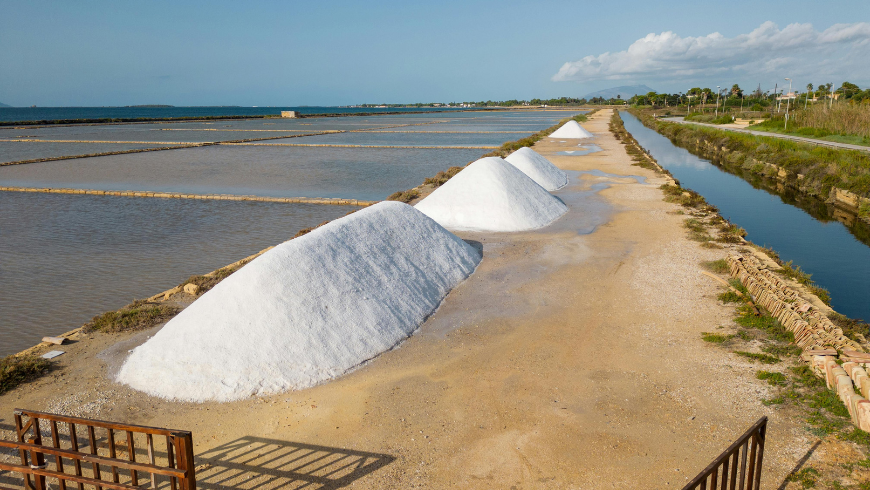
Windmills, water basins, canals and mountains of salt form one of the most recognisable landscapes in western Sicily.
The Trapani and Paceco Salt Pans Nature Reserve covers approximately 986 hectares and is managed by WWF. It is a place where traditional human activities and nature conservation have coexisted for generations.
Sea salt is still harvested using methods rooted in the traditional salt-making industry, relying on the power of the sun, wind and water.
What makes the salt pans special?
The salt pans are areas of great natural interest, particularly because they host numerous species of migratory birds.
Located along a migration route used by birds travelling between Europe and Africa, they provide an important resting and feeding ground. More than 240 bird species have been recorded here.
The flora is equally fascinating. Halophytic vegetation includes many species adapted to saline soils, among them rare plants of particular conservation value.
The landscape is just as striking. The basins reflect the colours of the sky, heaps of salt create brilliant white shapes, and the windmills tell the story of the area’s salt-making heritage.
What can you do at the Trapani and Paceco Salt Pans Nature Reserve?
One of the best ways to discover this area is to join a guided tour, which explores both its natural features and traditional salt production techniques.
Birdwatching is one of the most rewarding activities, especially for visitors who want to observe birds without disturbing the wildlife.
You can also discover the historical and cultural heritage of the salt pans, including the windmills and the structures used in salt production.
When should you visit?
The salt pans are worth visiting in every season, but migration periods are particularly good for birdwatching. Summer also offers an opportunity to learn more about traditional salt harvesting.
Guided tours are available by reservation. To check available dates, visit the official Nature Reserve website.
5. WWF Monte Arcosu Oasis, Sardinia
About 20 kilometres from Cagliari, the WWF Monte Arcosu Oasis offers an immersive experience in Sardinia’s natural environment, among woodlands, valleys and the distinctive scents of the Mediterranean scrub.
The area forms part of the Gutturu Mannu forest complex and protects a valuable habitat for the conservation of the island’s flora and fauna.
What makes Monte Arcosu special?
The landscape features hills, deep valleys and vegetation that includes holm oaks, cork oaks, myrtle, heather and rosemary.
This variety of habitats supports numerous animal species. The symbol of the Oasis is the Sardinian deer, a species that has faced difficult times and has become emblematic of wildlife conservation efforts on the island.
The area is also home to numerous bird species, including several birds of prey, as well as a rich diversity of plant life.
What can you do at Monte Arcosu Oasis?
You can explore trails through the Mediterranean scrub, observe the vegetation and try to recognise the sounds and tracks of the animals that inhabit the woodland.
It is an ideal destination for walkers who want to discover a less urban side of Sardinia, away from the island’s busier coastal routes.
During your visit, it is important to stay on authorised trails and keep your distance from wildlife, especially during sensitive breeding periods.
When should you visit?
The Oasis is open to visitors on weekends and public holidays, with opening hours varying by season. Visits may be suspended in the event of severe weather warnings. Before planning your hike, check the latest opening hours and visitor information on the official WWF website.
How to visit natural oases responsibly
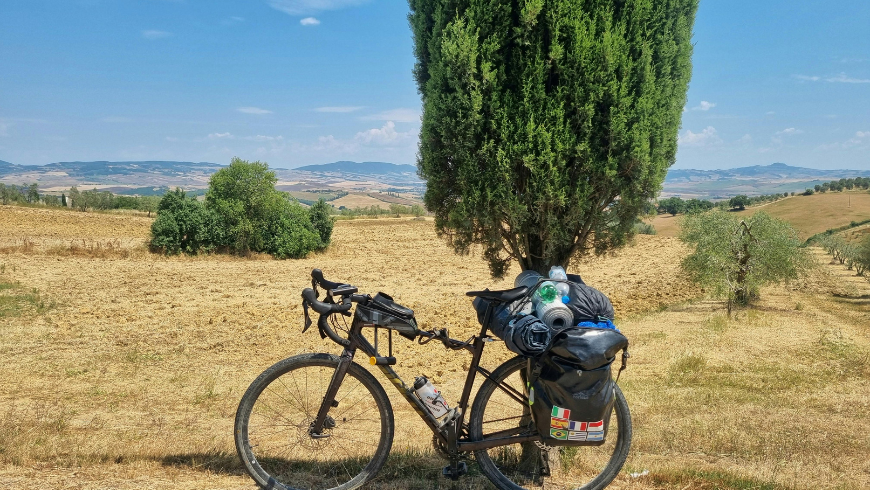
WWF oases and other protected areas are not simply places to admire: they are fragile ecosystems that play a vital role in conserving biodiversity.
Visiting them responsibly means following a few simple guidelines:
- Stay on marked trails and avoid entering restricted areas.
- Observe wildlife from a distance, avoiding noises, calls and movements that could disturb animals.
- Do not pick flowers or plants or collect other natural items, and never leave litter behind.
- Follow the guidance of guides and staff, respecting any seasonal closures.
- Plan ahead by checking accessibility, booking requirements, weather conditions and the specific rules of each area.
Choosing a nature destination also means taking care of the place that welcomes us. A well-planned visit can be an opportunity to learn something new and support the protection of Italy’s natural heritage through respectful tourism.
The five destinations featured in this article reveal the remarkable diversity of Italy’s natural landscapes: from wetlands frequented by migratory birds to Mediterranean woodlands, from karst springs to alpine botanical collections.
All that’s left is to choose your next destination and set off to discover these precious corners of Italy.
Cover photo: Canva Pro.


