

Sustainability is no longer a niche trend in the hospitality industry. More and more travelers actively seek accommodations that reduce their environmental impact while offering authentic and memorable experiences. Whether it is a countryside eco-lodge, a family-run bed and breakfast, or an urban vacation rental, sustainable hospitality has become an important factor in guest satisfaction.
Even owners who rely on customized Airbnb management services in Los Angeles are increasingly recognizing that eco-conscious hosting is not only about lowering utility bills or reducing waste. It is about creating healthier spaces, supporting local communities, and providing a more meaningful experience for guests.
A sustainable property does not need to feel rustic or restrictive. On the contrary, the most successful eco-friendly accommodations often provide greater comfort, cleaner environments, and a stronger connection to the destination. Guests notice natural materials, energy-efficient systems, locally sourced products, and thoughtful amenities that reflect genuine care for both people and the planet.
The connection between sustainability and guest satisfaction is stronger than ever. When implemented thoughtfully, sustainable practices improve comfort, build trust, support local economies, and create memorable stays that travelers are eager to recommend.
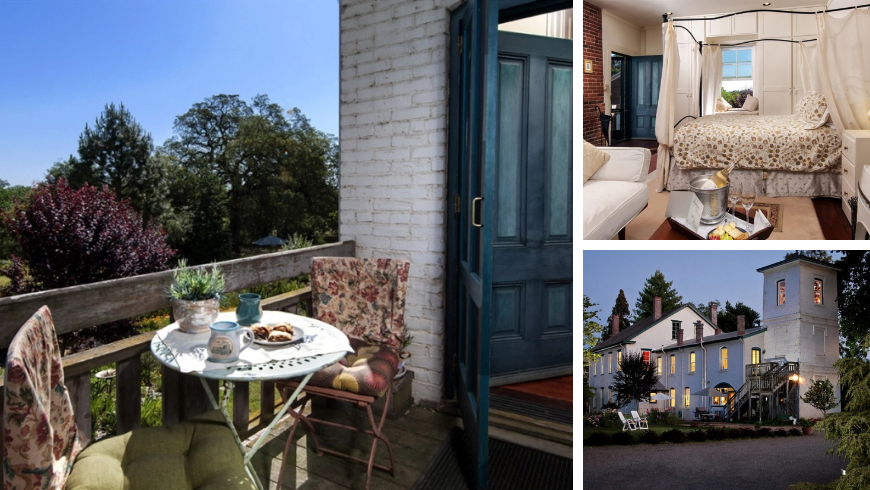
Sustainability Starts With a Better Guest Mindset
Sustainability Starts With a Better Guest Mindset. A great stay begins with the feeling that the host has thought ahead. Sustainable choices send that message in subtle but powerful ways.
Guests are paying attention to how homes are run. They may notice refillable soap dispensers instead of tiny plastic bottles, a recycling setup that actually makes sense, energy-efficient lighting, or cleaning products that do not leave a harsh chemical smell behind. These details suggest that the property is managed with care rather than thrown together for quick turnover.
That matters because guests are not only booking a bed. They are booking a feeling.
They want to feel relaxed, safe, and confident that the place they chose is worth the money.
Sustainable hosting supports that by creating an environment that feels cleaner, more modern, and more responsible.
It also helps attract the kind of guests many hosts want: respectful travelers who value the space, follow rules, and appreciate thoughtful details. When a listing communicates care, it often encourages guests to treat the property with care in return.
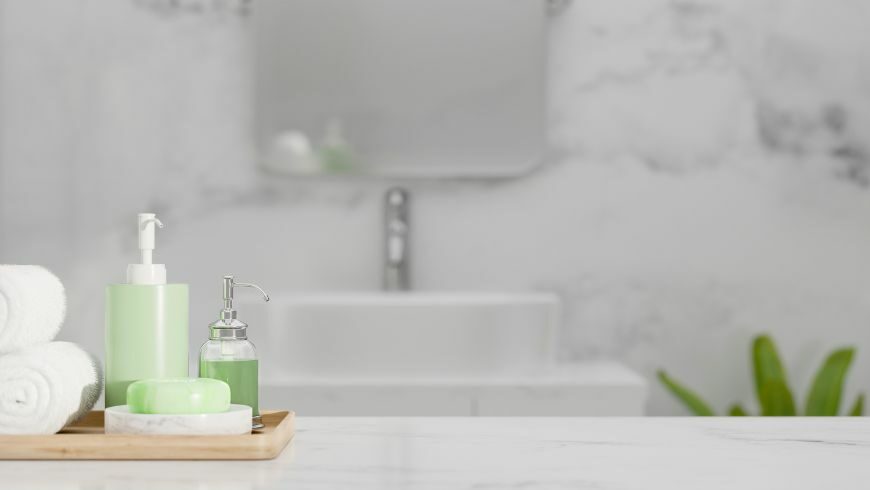
Eco-Friendly Does Not Have to Mean Complicated
One of the biggest misconceptions about sustainable hosting is that it requires a total property overhaul. In reality, the best improvements are often simple, practical, and easy to maintain.
Switching to LED bulbs, using refillable dispensers, adding smart thermostats, choosing washable cloths over disposable wipes, and offering clear recycling instructions can make a real difference without making the stay feel restrictive. Guests do not want a lecture. They want things to be easy.
The key is to remove friction. A guest is much more likely to recycle if the bins are clearly labeled and conveniently placed. They are more likely to save energy if the thermostat is intuitive. They are more likely to respect water use if reminders are friendly rather than scolding.
Sustainability works best when it blends naturally into the stay. The guest should not feel like they are doing extra work. They should feel like the home has been designed intelligently.

Cleaner Products Can Create a More Comfortable Stay
The products used inside a rental can shape the guest experience more than owners realize. Strong chemical smells, dusty air, rough paper products, and cheap toiletries can make a property feel less premium.
Eco-conscious cleaning and guest supplies often improve comfort. Low-scent or naturally scented cleaning products can make the space feel fresh without overwhelming guests. Better hand soap, shampoo, and dish soap can make the home feel more thoughtful. Refillable containers can look cleaner and more elevated than mismatched disposable bottles.
This is especially important for guests who are sensitive to smells, traveling with children, or staying for several nights. A property that feels clean without smelling artificial can leave a stronger impression.
Of course, sustainability should never come at the expense of hygiene. The goal is not to use “green” products just because they sound good. The goal is to choose effective products that support a clean, healthy, and pleasant stay. Guests care about sustainability, but they care about cleanliness first. The best hosts deliver both.

Smart Energy Use Makes the Stay Smoother
Energy efficiency is often discussed from a cost-saving perspective, but it also improves the guest experience when managed well.
Smart thermostats, motion-sensitive outdoor lighting, efficient appliances, and clear appliance instructions can make a property easier to use. Guests do not want to struggle with old systems, confusing controls, or unpredictable temperatures. A comfortable home is one where everything works without effort.
Smart systems can also help managers protect the property between stays. Temperature settings can be monitored, lights can be managed, and energy waste can be reduced when the home is empty. This creates a more efficient operation while keeping the guest experience consistent.
The balance is important. Guests should still feel in control of their comfort. A thermostat that is too restricted can feel frustrating. A better approach is to set reasonable ranges, provide simple guidance, and make the system easy to understand.
Sustainable energy use should feel invisible when guests are enjoying the home and valuable when managers are running the operation.

Less Waste Often Means Better Design
Waste reduction is not only an environmental choice. It can also make a rental feel more organized and attractive.
Think about the difference between a bathroom crowded with tiny single-use bottles and one with sleek refillable dispensers. Or a kitchen filled with random plastic packaging compared with one stocked with neatly labeled basics. The lower-waste version often looks better and feels more intentional.
Guests appreciate homes that are simple to use. A clean layout, practical storage, and clear labels can prevent confusion. Instead of leaving guests to guess what can be used or where things go, sustainable organization gives the home a natural rhythm.
This can also reduce management headaches. Bulk supplies can be easier to track. Refillable products can lower restocking chaos. Durable items can reduce replacement costs. When waste is reduced through smart systems, everyone benefits.
The trick is to choose quality over clutter. Sustainable hosting is not about filling the home with signs and rules. It is about creating a space that feels calm, useful, and thoughtfully prepared.

Local Choices Make the Stay Feel More Authentic
Sustainability also connects to how guests experience the surrounding area. Local recommendations, locally made products, and neighborhood-minded hosting can all make a stay feel more memorable.
Guests often want to feel connected to the place they are visiting. A guidebook with independent coffee shops, nearby markets, walking routes, local restaurants, and responsible transportation tips can make the trip feel richer. It also helps guests avoid generic tourist experiences and discover the area more naturally.
Hosts can support this by recommending businesses that reflect the character of the neighborhood. A welcome note that points guests toward a great local bakery or farmers market can feel much more personal than a standard list of attractions.
This kind of sustainability is not only about reducing impact. It is about creating a stay that feels grounded in its location. Guests remember that.

Thoughtful Systems Lead to Better Reviews
Many guest reviews are shaped by small details. Guests may not write a long comment about efficient light bulbs or refillable soap, but they may mention that the home felt clean, well-stocked, comfortable, and easy to use.
That is where sustainable hosting quietly improves performance. It supports the things guests already care about: comfort, cleanliness, ease, quality, and trust. When these elements work together, reviews improve naturally.
A sustainable property can also stand out in a crowded market. Travelers comparing similar listings may be drawn to one that feels more responsible and better managed. Even guests who are not specifically searching for eco-friendly stays often respond positively to thoughtful design and clear values.
Better reviews lead to stronger visibility, higher confidence from future guests, and more consistent bookings. Sustainability becomes part of the guest experience, not a separate marketing angle.

The Best Hosting Feels Good and Works Well
Sustainable hospitality management is not about perfection. It is about making better choices that improve the stay, protect the property, and support smoother operations.
A greener rental can be more comfortable, more efficient, more attractive, and easier to manage. Guests enjoy a space that feels fresh and intentional. Owners benefit from smarter systems and stronger long-term value. Managers gain a property that is easier to maintain and easier to promote with confidence.
The best part is that sustainability does not need to feel forced. When it is done with care, it becomes part of the atmosphere of the home. The stay feels cleaner, simpler, and more connected to the place guests came to enjoy.
That is the real connection between sustainable hosting and better guest stays. It is not just about using less. It is about giving guests more of what they actually came for: comfort, ease, trust, and a stay that feels genuinely worth remembering.
Cover image: photo via Canva PRO


