
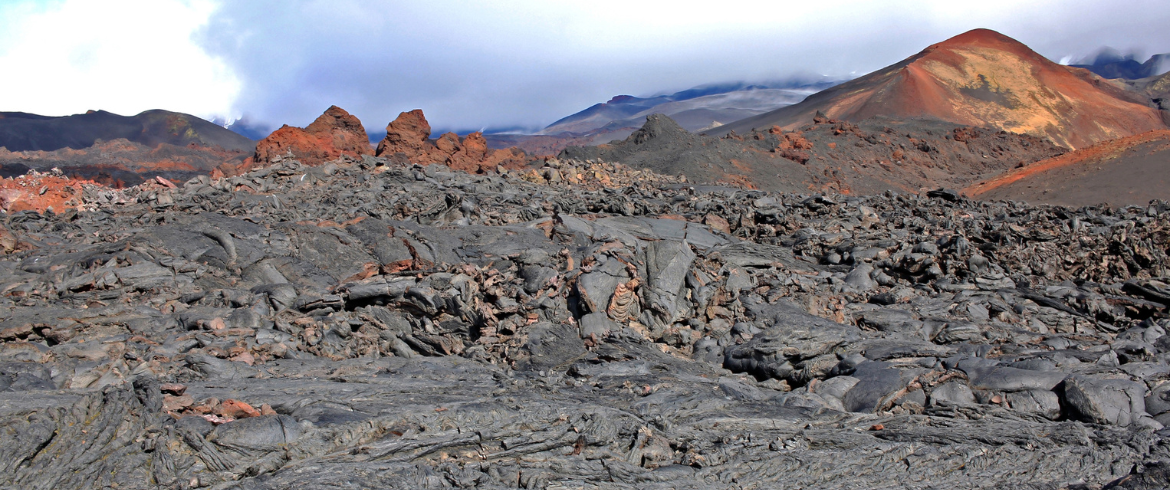
Iceland sits on the Mid-Atlantic Ridge where tectonic plates pull apart. The entire island is volcanic, and not ancient volcanic like worn-down ranges elsewhere. Much of Iceland‘s terrain formed within the last few thousand years—some within the last few decades.
This means you’re walking on raw geology. Fresh lava fields with sharp edges. Black sand deserts of volcanic ash. Landscapes that look more like Mars than Earth. The terrain hasn’t had time to soften or develop soil in many areas.
Lava Fields Are Brutal on Feet and Gear
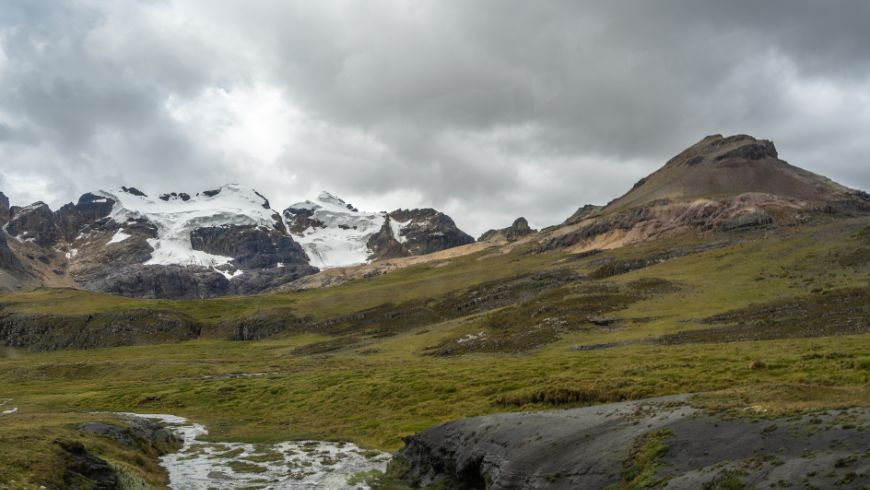
Icelandic lava comes in two main forms—a’a (sharp, jagged chunks) and pahoehoe (ropy, smoother flows). The a’a lava fields are particularly punishing. The rock is abrasive enough to shred boot soles and slice through fabric.
Walking across lava fields takes longer than equivalent distances on normal terrain. You’re constantly watching foot placement, stepping carefully to avoid ankle-turning gaps. What looks like 5 kilometers on a map might take 3 hours instead of the usual 1.5 hours.
Navigation Gets Complicated
Lava fields lack distinguishing features. Everything looks the same—black rock in all directions. Trail markers become essential because natural landmarks don’t exist. GPS coordinates matter more in Iceland than in most hiking destinations.
The volcanic rock also plays havoc with compasses in some areas due to magnetic properties. Digital navigation tools work better than traditional magnetic compasses in these zones.
Black Sand Gets Everywhere
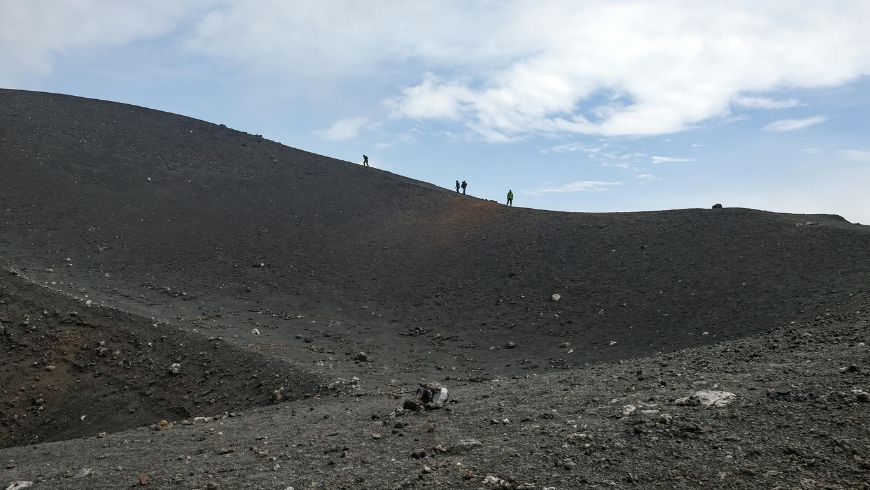
Volcanic ash creates Iceland’s distinctive black sand beaches and desert areas. This sand is incredibly fine and gets into everything—boots, socks, gear, food, cameras. It’s abrasive like sandpaper and impossible to fully avoid.
After a windy day crossing black sand areas, you’ll spend an hour cleaning gear. The sand infiltrates zippers, scratches lenses, and works its way into layers of clothing. It’s one of Iceland’s most annoying hiking realities.
Wind Amplifies the Problem
Iceland is windy, and wind turns black sand into a sandblasting nightmare. Exposed skin stings. You need eye protection. Face coverings become necessary, not optional. The combination of volcanic sand and high winds creates conditions unlike hiking anywhere else.
River Crossings Are Genuinely Dangerous
Iceland has no trees to speak of and limited vegetation. This means snowmelt and glacial runoff flows unrestricted across the landscape. Rivers change course, depth, and flow rate unpredictably.
Many Icelandic hiking routes require river crossings with no bridges. The water is glacial melt—near freezing and milky with sediment so you can’t see the bottom. Current strength can knock you off your feet. People die in Icelandic river crossings every few years.
The Technique Matters
Proper river crossing technique is essential—unbuckle pack straps, use trekking poles for stability, cross at the widest/shallowest point not the narrowest, move diagonally downstream. For those inexperienced with glacial river crossings, hiking tours Iceland typically include guides trained in safe crossing techniques and route knowledge about which crossings are manageable versus dangerous at different times of season.
Geothermal Areas Create Hazards
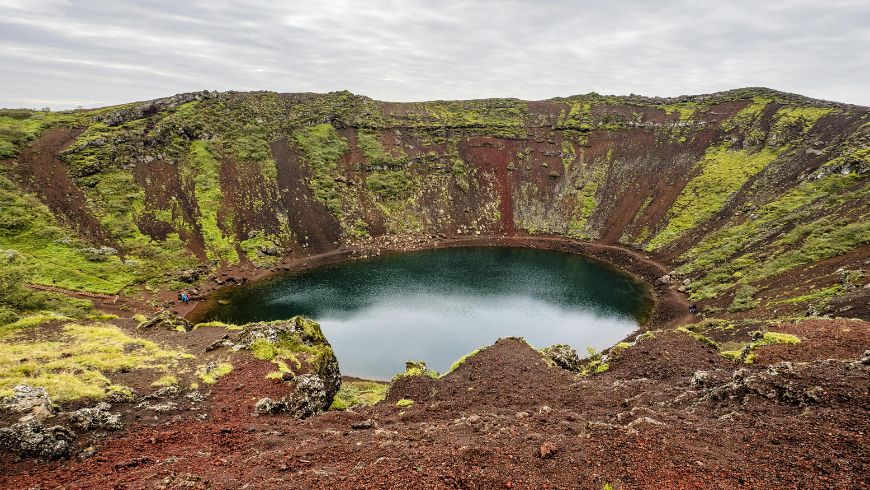
Iceland’s volcanic activity means geothermal features appear regularly along hiking routes. Boiling mud pots, fumaroles venting sulfur gases, hot springs with scalding water—all exist alongside trails.
The danger is real. The ground near geothermal areas can be thin crust over boiling water. Breaking through means severe burns. Stay on marked paths in geothermal zones. The colorful deposits and steam are beautiful but genuinely hazardous.
The Sulfur Smell
Geothermal areas reek of sulfur—rotten egg smell that penetrates everything. Your clothes will smell like it for days. It’s unpleasant but not dangerous in open air. Just accept that you’ll stink.
Volcanic Deserts Lack Water Sources
Unlike most mountain regions where streams are plentiful, Iceland’s volcanic highlands can be dry for long stretches. Water sinks into porous lava or flows underground. Surface water may not appear for many kilometers.
This requires carrying more water weight than you’d expect. Plan water sources carefully and carry capacity for 3-4 liters in desert sections. Dehydration becomes a real risk in areas that look like they should have water but don’t.
The Colors Are Otherworldly
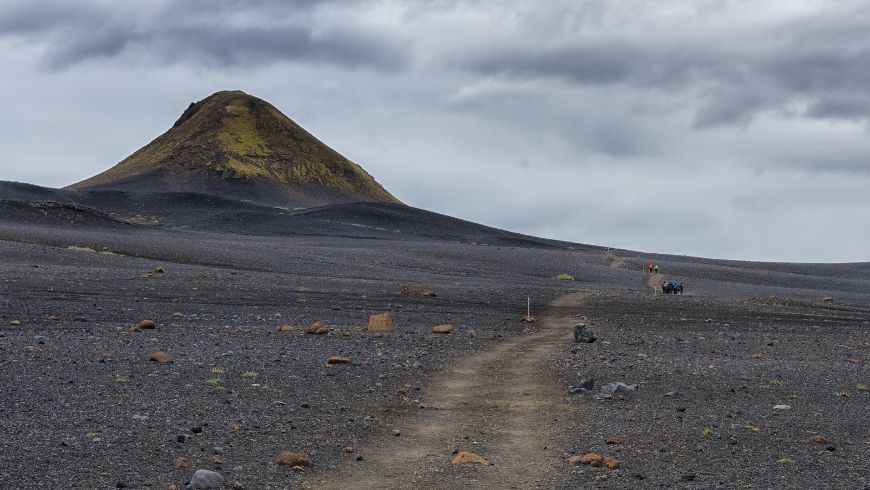
Volcanic terrain creates landscapes in colors that don’t look natural. Bright green moss on black lava. Orange and yellow sulfur deposits. Red and purple volcanic soils. Blue glacial ice contrasting black sand.
This visual drama is stunning but also disorienting. The landscapes don’t match your brain’s expectations for what mountains should look like. It takes adjustment to navigate terrain that appears so alien.
Elevation Doesn’t Mean What It Usually Means
Iceland’s mountains are low by Alpine standards—mostly under 2,000 meters. But the weather and exposure make them feel much more serious. The combination of latitude, coastal proximity, and volcanic terrain creates challenging conditions at modest elevations.
A 1,500-meter Icelandic peak can have worse weather than a 3,000-meter Alpine summit. Don’t underestimate routes based on elevation numbers alone.
Glaciers Are Accessible But Dangerous
Iceland’s glaciers come down to relatively low elevations and approach hiking trails. This accessibility is deceptive—glaciers are dangerous without proper equipment and training. Crevasses hide under snow bridges. Ice caves collapse.
Glacier hiking in Iceland requires guides, crampons, ice axes, and rope skills. Treat glaciers with respect regardless of how approachable they appear.
Vegetation Is Minimal
The harsh volcanic terrain and short growing season mean Iceland has limited vegetation. No forests exist beyond small plantations. Ground cover is mostly moss, lichen, and low shrubs.
This creates zero natural shelter. You’re exposed to weather constantly. There’s nowhere to hide from wind or rain. This exposure requires better gear and more conservative weather planning than forested mountain regions.
The Fragility of Moss
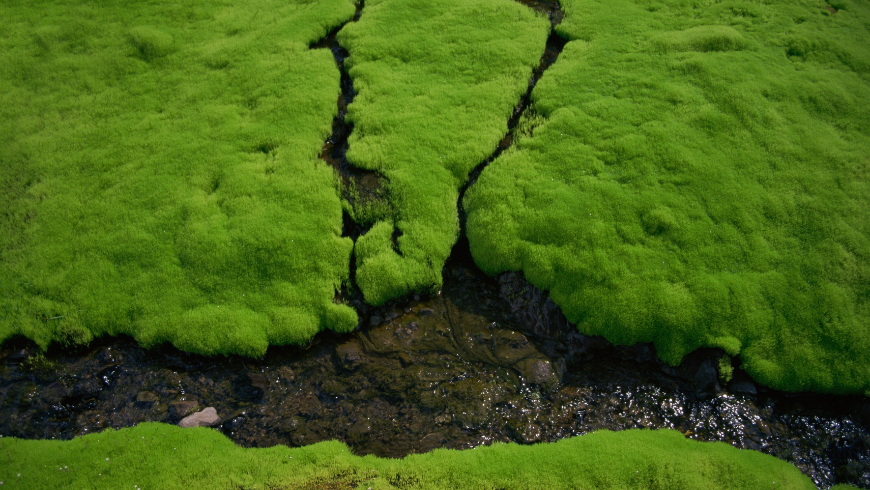
Icelandic moss grows incredibly slowly—perhaps 1 centimeter per year. Once damaged, it takes decades to recover. Walking on moss leaves visible footprints for years.
Staying on marked trails and practicing “Leave No Trace” principles is essential to protect this fragile ecosystem. Even a single shortcut can leave a lasting scar on the landscape.
Why This Terrain Attracts Hikers
Despite the challenges, volcanic terrain creates unique hiking experiences. The landscapes are dramatic and unlike anywhere else. The raw geology is visible and comprehensible. You’re hiking through active Earth processes, not just looking at finished mountains.
Iceland’s volcanic nature makes it difficult, uncomfortable, and occasionally dangerous. It also makes it unforgettable. The terrain demands respect and preparation, but rewards you with landscapes that look like nowhere else on Earth.


