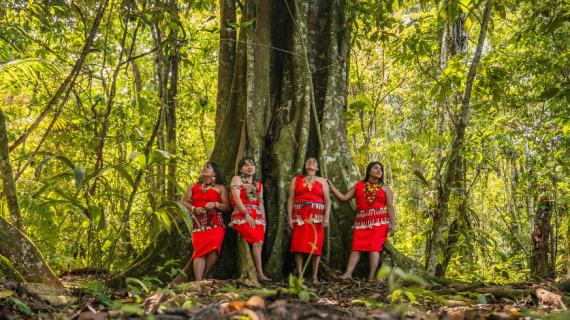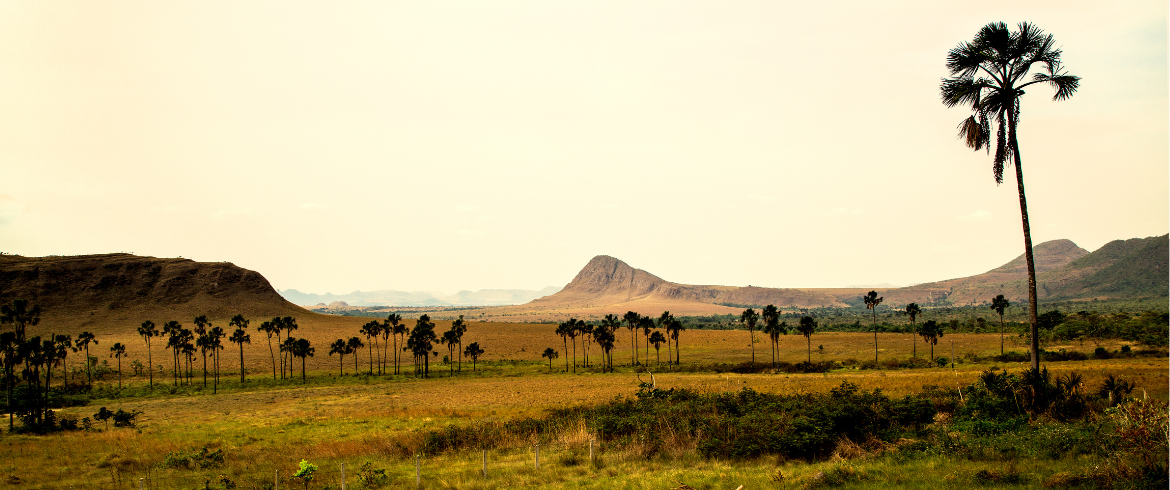
Chapada dos Veadeiros is a natural gem in the state of Goiás, Brazil, and a perfect destination for responsible travel. Known for its clear waterfalls, ancient rock formations, and extraordinary nature landscapes, this region attracts eco-travelers from around the world. Here, nature feels alive, and every step on a trail tells a story of wind, water, and earth.
The Importance of the National Parks
Chapada dos Veadeiros National Park is part of a UNESCO World Heritage Site, protecting one of the oldest geological areas on the planet. The park includes cerrado savanna, rivers, canyons, and waterfalls that feed important water systems in Brazil and is known for its rich biodiversity. Responsible choices help keep its rivers clean, its trails safe, and its communities strong.
Marked trails, visitor limits, and park rules help reduce environmental impacts. Entrance fees and guided activities directly support conservation efforts and benefit local communities.
Why the Cerrado Is So Important
The cerrado is one of the most biodiverse savanna ecosystems in the world. Many of Brazil’s main rivers start here, which is why Chapada dos Veadeiros is often called the “birthplace of waters.” Protecting this landscape helps secure water for millions of people.
How to Get to Chapada dos Veadeiros
The Chapada dos Veadeiros region is best explored overland, allowing you to enjoy the stunning landscapes while keeping your journey environmentally friendly.
By bus: There are regular buses from Brasília to Alto Paraíso, the main town near the national park. Once you arrive, having a car or arranging local transport makes it easier to reach waterfall entrances and trailheads. This is also one of the most sustainable transport options.
By car: From Brasília, the drive to the Chapada region takes about 3–4 hours. Roads are mostly paved and well-maintained. The journey itself is scenic, with plenty of spots perfect for a quick photo or snack break along the way.
Exploring locally: Once in the park, prioritize low-impact transportation. Walking trails, cycling, or joining guided eco-tours not only minimize environmental impact but also give you a closer connection to the rainforest, waterfalls, and wildlife.
For longer trips in Brazil, embracing slow travel and eco-friendly transportation strategies, like buses, shared vehicles, or cycling between destinations, lets you explore more sustainably while enjoying a richer, more immersive experience.
The Three Main Villages of Chapada dos Veadeiros
Beyond waterfalls, Chapada dos Veadeiros has a strong cultural identity. Local markets, handmade crafts, traditional food, and community festivals offer travelers a chance to connect with everyday life in the region, not just its landscapes.
Alto Paraíso de Goiás
Alto Paraíso is the main gateway and the busiest town in the region. You’ll find the best mix of guest houses, cafés, restaurants, and tour agencies. It’s perfect for travelers who want comfort while exploring waterfalls and nearby trails.
São Jorge
São Jorge is a small, charming village right at the entrance of Chapada dos Veadeiros National Park. Its relaxed atmosphere, dirt roads, and simple homes make it feel authentic and peaceful. Many local guides live here and work closely with conservation efforts and visitor education.
Cavalcante
Cavalcante is more remote but incredible for nature lovers. It’s home to the Kalunga communities, descendants of escaped enslaved people who preserve rich cultural traditions. Visiting Cavalcante with local guides supports families and helps keep heritage alive.
Must-See Waterfalls and Natural Attractions
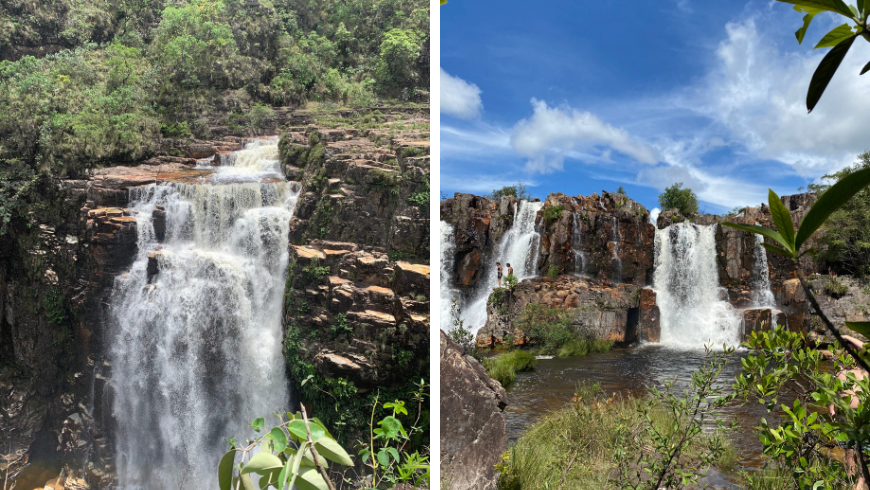
Chapada dos Veadeiros has more than 2,000 waterfalls, many found on protected or community-managed land. Many waterfalls are cold-temperature year-round, perfect for refreshing swims after long hikes under the sun. Here are some highlights:
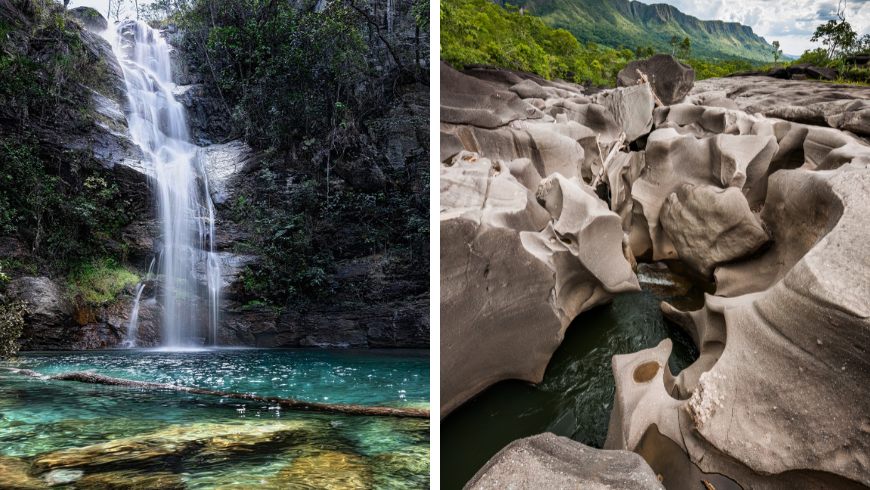
- Cachoeira Santa Bárbara — Famous for its bright blue water. Access is limited and guided to help protect the area.
- Cachoeira dos Couros — A powerful multi-tiered waterfall surrounded by wide landscapes.
- Vale da Lua — Unique rock formations shaped by water over millennia.
- Cachoeira dos Macaquinhos — A sequence of waterfalls and pools, ideal for a full-day visit.
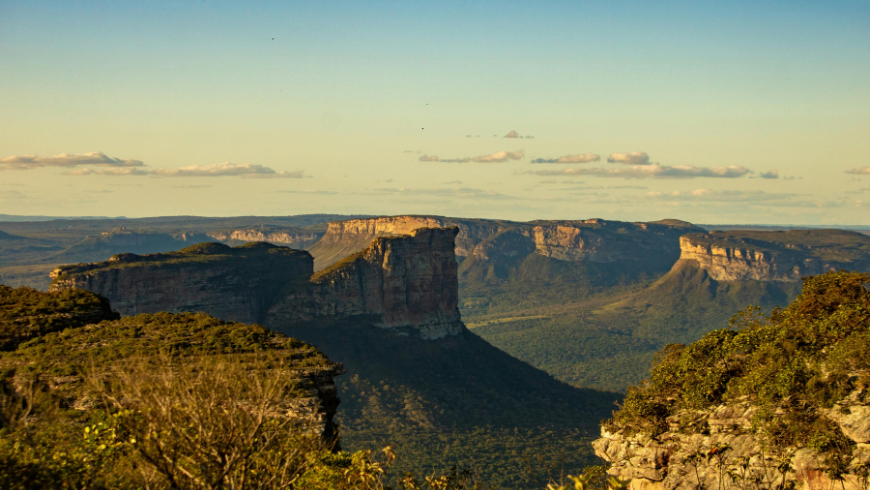
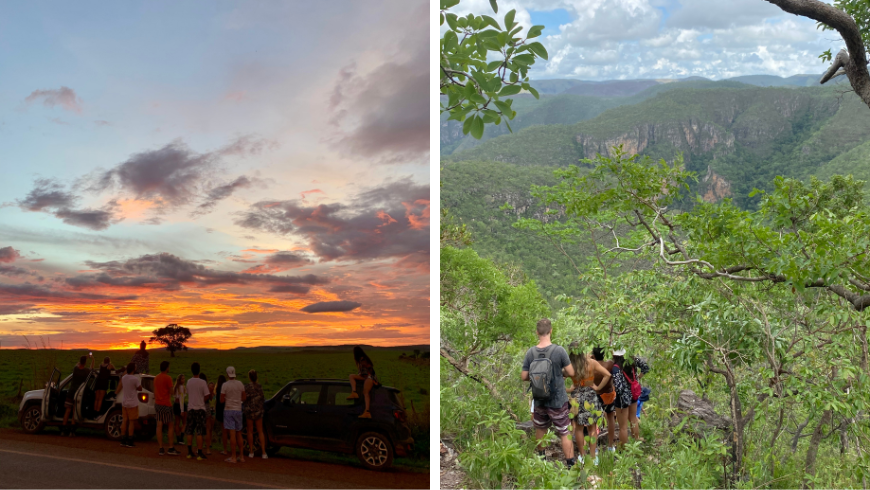
- Mirante da Janela — A viewpoint with sweeping views of cliffs and waterfalls.
Entrance fees help maintain trails and support local residents and conservation projects.
Visiting Chapada dos Veadeiros Responsibly
Responsible travel in Chapada dos Veadeiros helps protect this beautiful place for future generations. Small choices add up to a big positive impact.
- Respect visitor limits and opening hours
- Hire local guides, especially in remote areas
- Stay on marked trails
- Take all the trash back with you
- Avoid sunscreen or repellents before entering waterfalls
- Choose local and eco-friendly guest houses, restaurants, and tour operators
Local guides manage visitor flow, share environmental knowledge, and make sure tourism income supports the community.
For more general inspiration on how to travel with low impact and support nature and communities, check out Ecobnb’s tips on how to plan a perfect eco-vacation.
When to Go and How Long to Stay
The dry season (May to September) is best for most trails and viewpoints. Paths are safer and easier to walk. In the rainy season (October to April), waterfalls are stronger and more dramatic, but some trails may close after heavy rain.
For a quick visit, 3–4 days lets you hit the highlights. For a deeper, slower experience, 5–7 days allows you to visit waterfalls, get to know the villages, and connect with nature at your own pace.
Conclusion
Chapada dos Veadeiros is more than a destination; it’s an invitation to responsible travel in Chapada dos Veadeiros, where every choice helps protect nature and local communities.