Imagine a small rodent that reshapes the world around it by building dams, creating ponds, and sculpting the landscape: this is the beaver. Their activity is not only about survival, it makes the environment more hospitable for many other species. In essence, beavers are true architects of biodiversity.
What if humans learned from them too?
Humans and the Management of Our “Common Home”
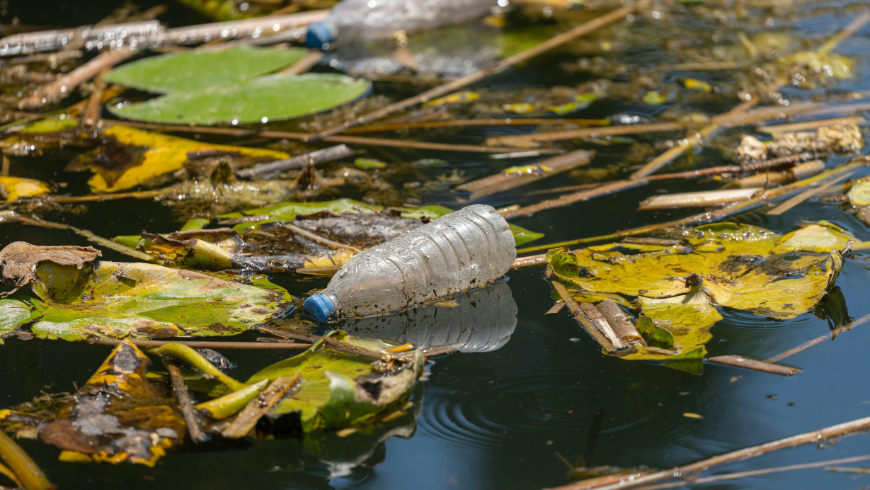
It is clear to everyone: in recent decades we have poorly managed our Common Home, the Earth. Microplastics are spreading everywhere, even into space, and climate change threatens ecosystems and communities across the planet.
But there is a solution: becoming, in a sense, “beavers” ourselves.
Beavers are considered a keystone species: without them, the balance of the entire ecosystem risks collapsing. Today scientists describe this approach as Nature-based Solutions (NBS): solutions inspired by nature to combat climate change and protect biodiversity.
What Does “Ecosystem” Mean?
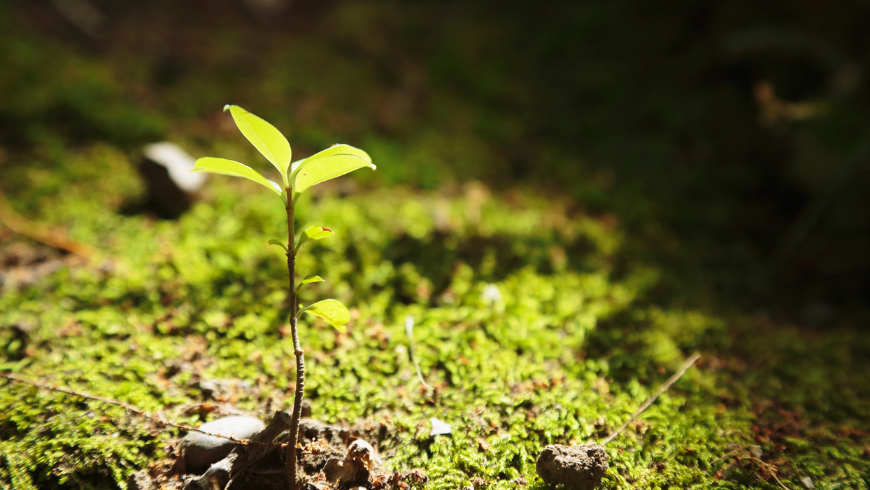
An ecosystem is not just the place where a species lives: it is a dynamic system in which every organism interacts with the environment and contributes to shaping it. Soil, water, vegetation, and wildlife are all interconnected.
From afar, an ecosystem may appear as a single harmonious entity. Up close, it reveals itself as a vast collective work, where every element contributes to the common good.
The Circle of Life: Plants, Herbivores, and Carnivores

Climate influences which plants can grow in a place, and these plants play vital roles, for example, keeping the soil moist through transpiration.
Plants feed herbivores, which in turn sustain carnivores. Animals disperse seeds, insects pollinate, and decomposers return nutrients to the soil.
It is a fragile yet extraordinary circle of life: move one piece, and the entire system may weaken or collapse.
Beavers: Silent Saviors of Ecosystems
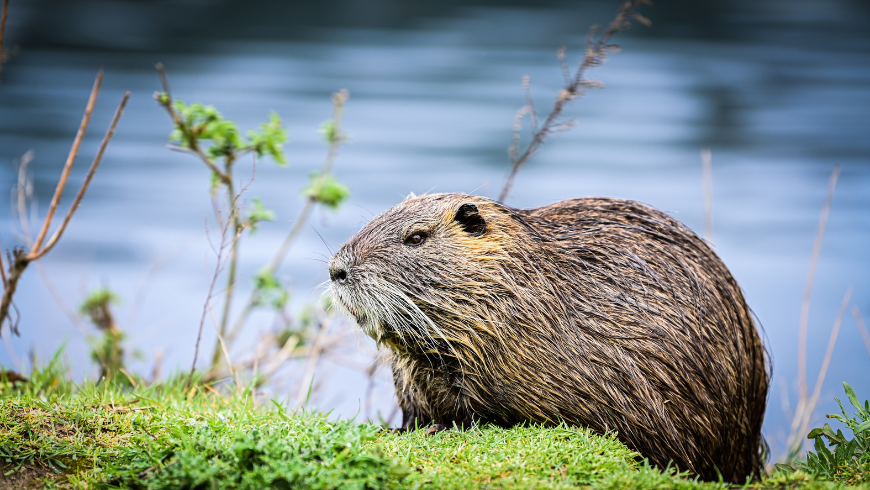
Often remembered for their large teeth and cartoon appearances, beavers are much more than that. They divert watercourses, cutting down and transporting trees to build dams that create ponds and shelters for other species.
Their work increases biodiversity: insects, fish, birds, and small mammals find habitat and food thanks to these natural hydraulic structures.
The Swiss Study: Scientific Proof of Their Importance
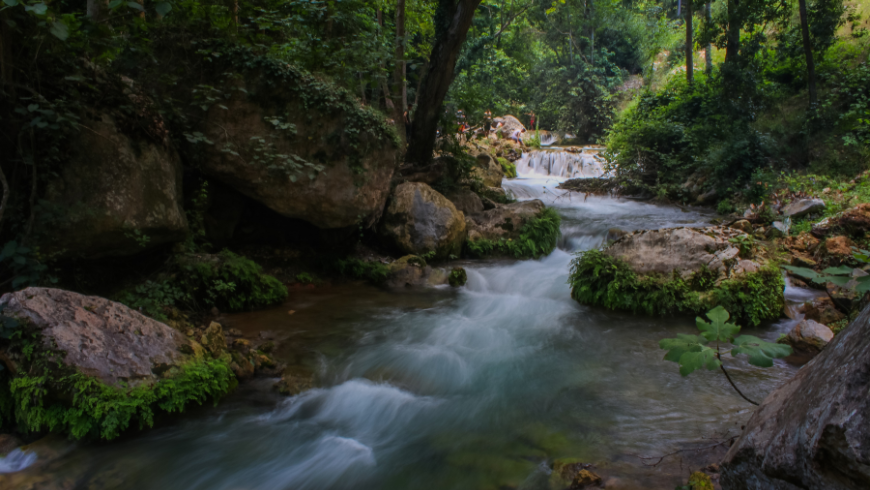
A study conducted in Switzerland compared two sections of the same river: one with beavers and one without. The goal was to understand which environment attracted more bat species.
The result was clear: bats preferred the section with beavers, thanks to the greater availability of insects and the presence of dead trees, ideal shelters for resting and reproduction.
The research demonstrates that the presence of beavers benefits other species by creating a more diverse habitat and richer biodiversity.
And Humans? We Can Still Learn
Humans have not always altered the environment in destructive ways. For millennia, human activities contributed to creating spaces that were also favorable to other species.
A historical example is Lake Constance (between Germany, Austria, and Switzerland), where human intervention enabled the development of extraordinary plant diversity, reaching a peak around the year 1000.
Perhaps it is time to observe and learn from beavers again: small architects of biodiversity that show us how to protect and restore ecosystems in a natural and sustainable way.
Cover photo source: Canva Pro