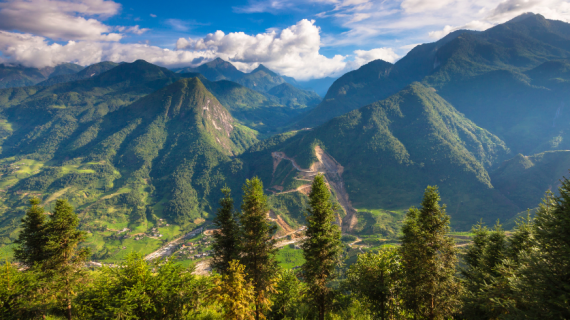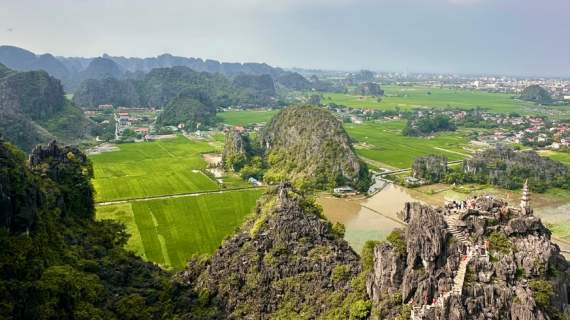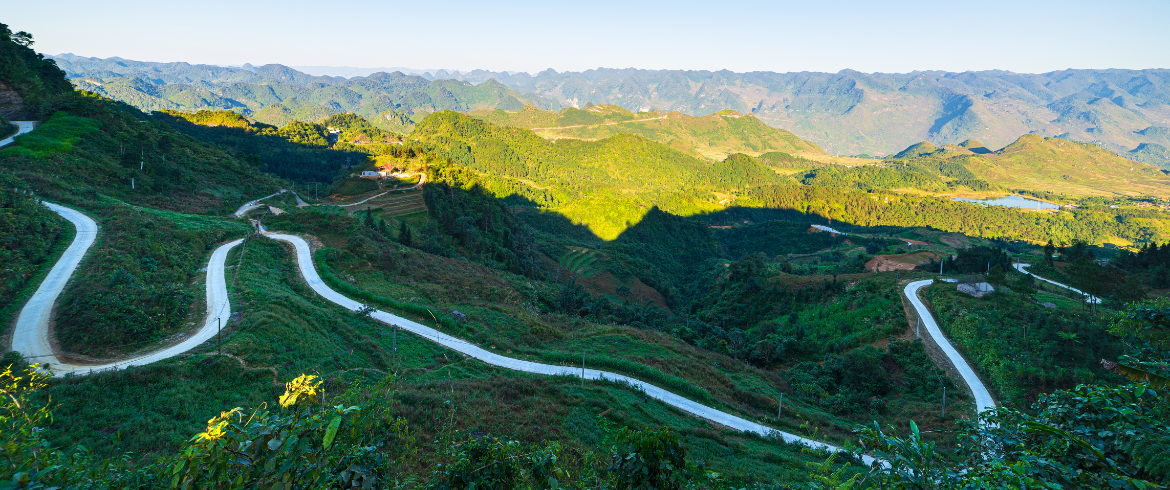
In the far north of Vietnam, close to the Chinese border, the Ha Giang Loop motorbike journey is one of the most incredible travel experiences in Southeast Asia. The Ha Giang Loop is a 3-day route through high mountains, deep valleys, rice fields, and remote villages where daily life follows a slower rhythm.
More than a road trip, the Ha Giang Loop is about presence. Riding through dramatic landscapes, sharing smiles with local people, and feeling truly connected to nature. For many travelers, this becomes the most powerful experience in Vietnam.
What Makes the Ha Giang Loop Motorbike Experience So Special?
Ha Giang feels raw and untouched. It is far less developed than other destinations in Vietnam, and that is exactly why it leaves such a strong impression. The region is also part of the Dong Van Karst Plateau UNESCO Global Geopark, recognized for its unique geology and cultural heritage.
Travelers love the Ha Giang Loop because it offers:
- Long days riding through wide, open landscapes
- Quiet roads with very little traffic
- A sense of freedom that is hard to find elsewhere
- Daily encounters with local communities
- An honest travel experience, far from mass tourism
This is not a luxury journey. Roads can be rough, and accommodation is simple. But this simplicity is what makes the trip feel real and meaningful.
Landscapes That Invite You to Slow Down
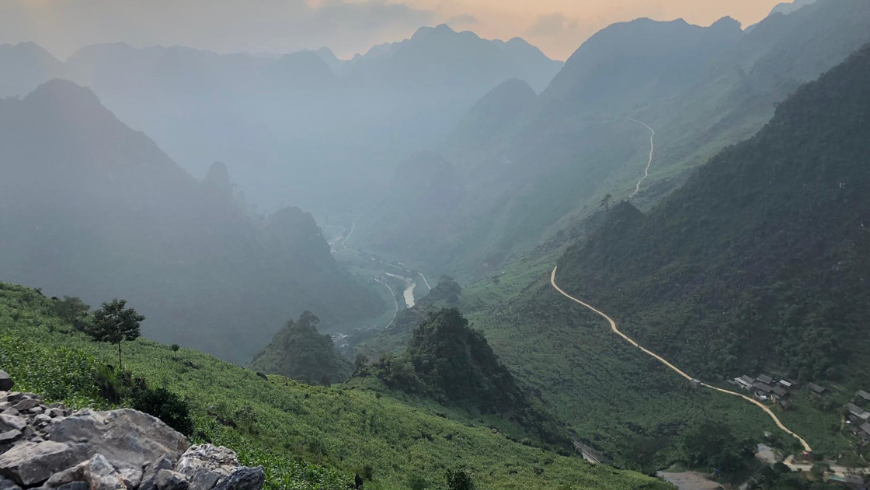
The scenery along the Ha Giang Loop changes constantly. One moment you ride along steep mountain roads, the next you pass green valleys or terraced rice fields carved into the hills.
Some unforgettable highlights include:
- Ma Pi Leng Pass, one of the most scenic roads in Vietnam
- The Nho Que River, with its clear green water far below
- Panoramic viewpoints where stopping feels natural, not rushed
This is a journey where you pause often. Not because you are tired, but because the landscape gently asks you to slow down and look around.
For travelers interested in exploring Vietnam at an even slower pace and with a focus on sustainability, see our guide on Slow Travel in Vietnam: A Sustainable Journey Beyond the Highlights.
You might also enjoy checking Hoi An, Vietnam, especially if you love exploring sustainable travel beyond one destination. Hoi An, Vietnam: How the City Is Embracing Green Transportation.
Meeting Local Cultures Along the Route
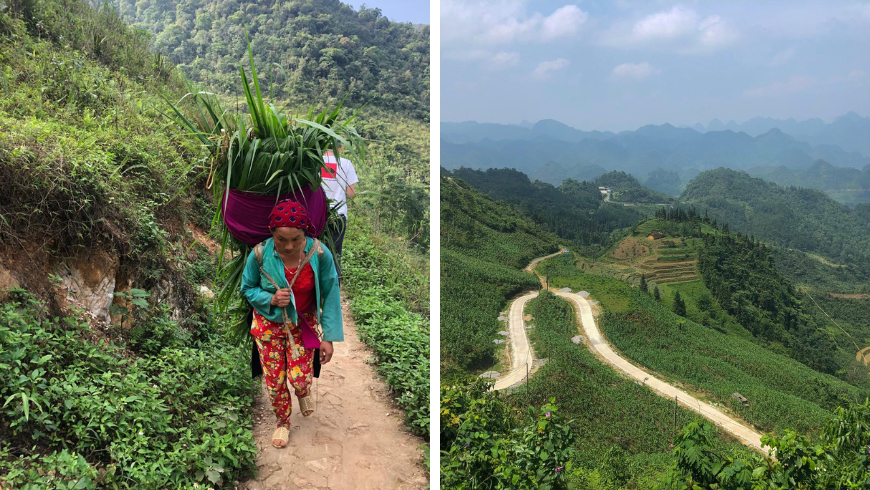
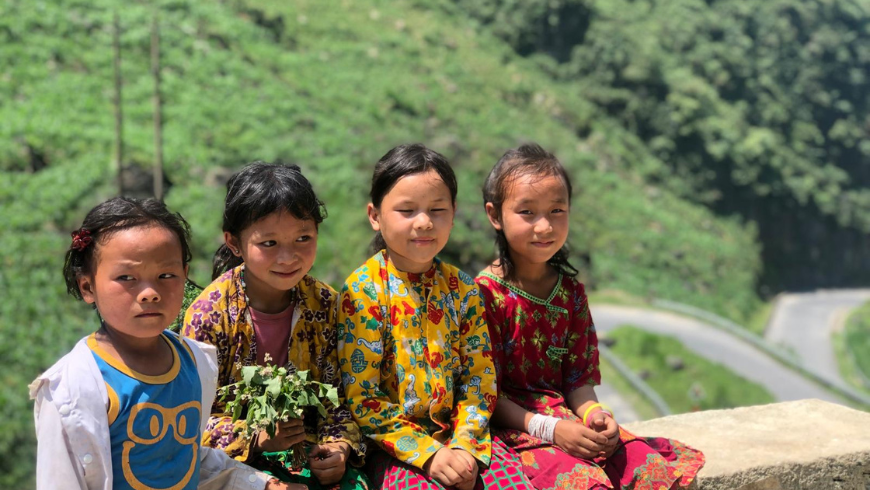
Ha Giang is home to several ethnic minority communities, each with its own traditions, clothes, and ways of living. As you ride through small villages, everyday life unfolds by the roadside.
You may see children playing, families working in the fields, and local markets filled with seasonal food and handmade products. These simple moments often become the most memorable part of the trip.
A respectful attitude matters here. A smile, a greeting, and asking before taking photos help create more genuine connections.
How Many Days Do You Need for the Ha Giang Loop?
Most travelers complete the Ha Giang Loop in three days, which allows enough time to enjoy the route without feeling rushed.
A common itinerary looks like this:
- Day 1: Ha Giang to Yen Minh
- Day 2: Yen Minh to Dong Van and Meo Vac
- Day 3: Meo Vac back to Ha Giang
If you have more time, four days is even better. Shorter rides mean more time to stop in villages and enjoy the landscapes.
Motorbike, Easy Rider, or E-Bike?
There are three main ways to experience the Ha Giang Loop responsibly:
- Riding your own motorbike gives full freedom but requires confidence, especially on narrow mountain roads. Weather and road conditions can change quickly.
- Choosing an Easy Rider means traveling with a local driver. Ideal for beginners, it allows you to relax, enjoy the views, and learn from someone familiar with the region.
- Exploring the loop on an e-bike is a sustainable alternative for eco-conscious travelers. While it requires careful planning—especially for battery charging and pacing—it offers the lowest environmental impact and an even slower, more immersive experience with the landscape and communities.
Whichever option you choose, practicing responsible travel—staying in local homestays, reducing waste, and respecting communities—is essential.
Best Time to Do the Ha Giang Loop
The Ha Giang Loop can be done all year, but some seasons are especially rewarding.
- March to May: clear skies and fresh green landscapes
- September and October: golden rice fields across the hills
- November: flower season adds soft colors to the mountains
Winter months can be cold and foggy, but they also bring silence and a peaceful atmosphere.
Why the Ha Giang Loop Stays With You

The Ha Giang Loop is not just about the road. It is about what happens along the way. Long hours riding create space for reflection, while small encounters with local people bring warmth and meaning.
With fewer crowds and distractions, travelers often feel more present here. When the loop ends, many describe a quiet feeling of leaving something behind. That feeling is exactly why the Ha Giang Loop remains unforgettable long after you leave northern Vietnam.
The Ha Giang Loop motorbike experience stays with travelers because it combines nature, culture, and a deep sense of freedom.
If you’re inspired by Vietnam’s nature and community-powered travel, also check out:
- Ninh Binh, Vietnam: A Model of Ecotourism — landscapes, river valleys, and local ecotourism practices in northern Vietnam.
- Green Guide to Hoang Lien National Park: Discover Vietnam’s Wild Heart — another wild and cultural northern Vietnam destination worth adding to your journey.
- Things to do before leaving on a sustainable trip to Vietnam — practical tips for responsible travel in Vietnam.