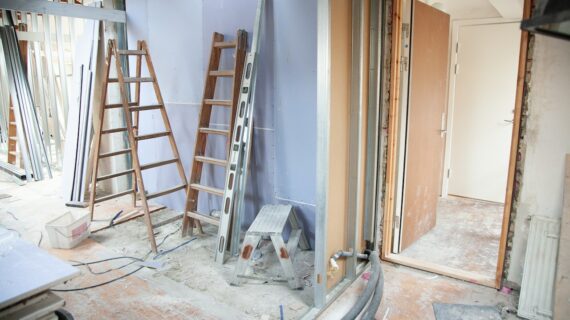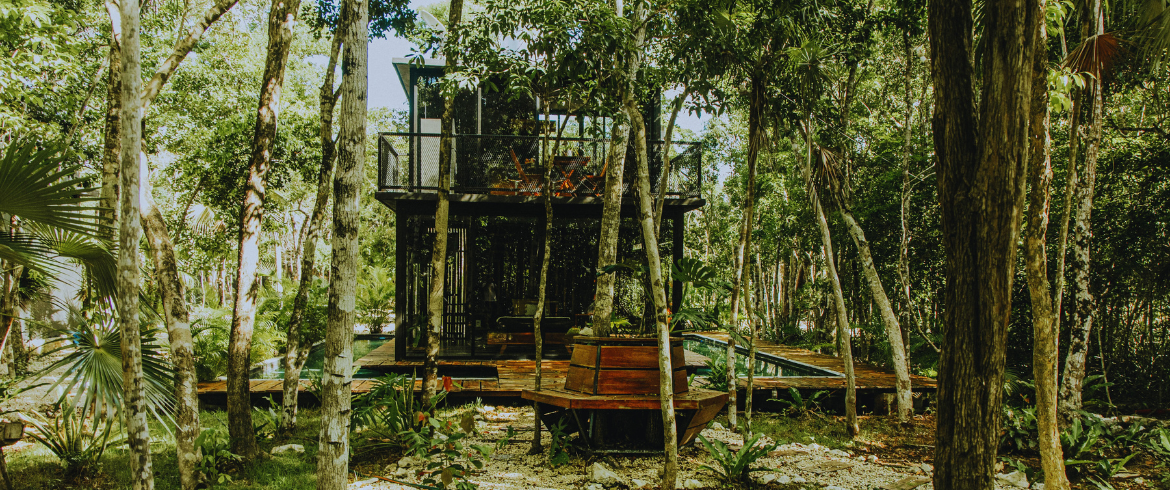
Renovating an eco-hotel, upgrading a sustainable B&B, or restoring a historic farm stay presents a unique challenge: managing the substantial waste stream while upholding a deep commitment to sustainable tourism. For platforms like Ecobnb, viewing this material not as trash but as a valuable local resource is essential.
A maximized recycling and reuse strategy during any major renovation minimizes the project’s environmental footprint, significantly reduces landfill costs, and reinforces the property’s eco-conscious operation for the benefit of both guests and the local communities.
This guide outlines practical strategies to recover and reuse materials during renovations, turning sustainability into a competitive advantage.
1. The Planning Phase: Auditing for Valorization
Maximizing material recovery begins long before the first piece of plaster falls. A preliminary waste audit is a crucial step for any responsible renovation, identifying high-value materials and specialized waste streams that can be reused or recycled.
Material Mindfulness and Segregation
Before any item is removed from a guest room or common area, categorize it by material type, prioritizing its potential second life rather than just its disposal. Common recovery targets include:
- Metals: Copper wiring from older lighting systems, structural steel, aluminum frames, and old kitchen/laundry appliances. Metals retain high material value and are easily recycled.
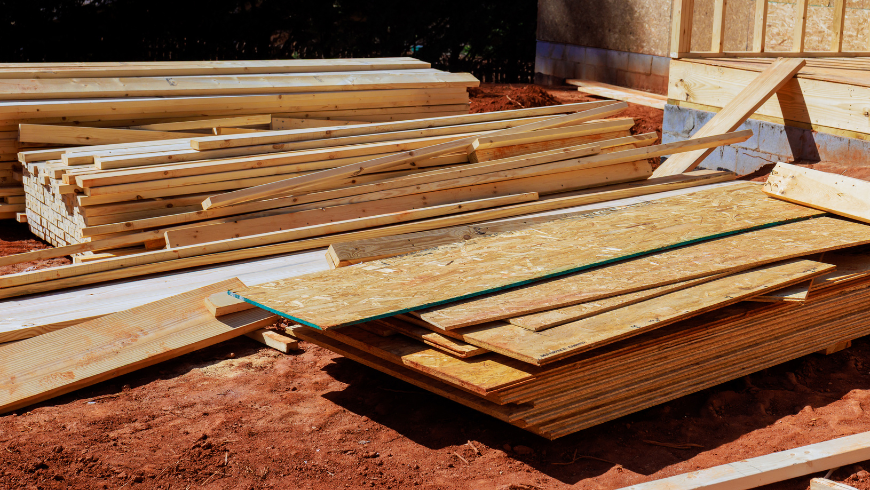
- Wood and Lumber: Non-treated dimensional lumber, sturdy shelving, and clean wood scraps can be salvaged for reuse in garden beds, composting systems, or furniture restoration projects by local artisans. Treated wood must be strictly segregated.
- Construction Debris: Clean drywall, concrete, asphalt, and masonry. For rural lodgings, this heavy waste is expensive to transport; processing it on-site into new aggregates for paths or road base represents a major reduction in both cost and environmental footprint.
- Electronics and Appliances: All large appliances and Electronic Waste (E-Waste) must be handled separately due to heavy metals and hazardous components.
By creating a detailed inventory, you establish dedicated, uncontaminated collection streams, which are the biggest guarantee of high-quality recycling.
2. Specialized Recovery Streams: Reuse and Community Benefit
The highest form of recycling is reuse. When furnishing a newly renovated space, the materials from old furniture and equipment should be prioritized for donation or upcycling, embodying the principle of valorization of local resources.
Technology and E-Waste Compliance
Even the most rustic farm stay needs modern technology for bookings and guest services. Old networking equipment, TVs, and guest charging stations constitute E-Waste. Professional E-Waste recyclers are essential to ensure data is securely wiped, a necessity for hospitality operations, and that hazardous materials like mercury and lead are safely separated before precious metals are recovered. This step is non-negotiable for environmental compliance and is part of providing a truly sustainable and safe experience.
Furniture and Fixtures: Donation and Upcycling
When upgrading guest room furnishings or restaurant spaces, the priority is to give functional items a new life, offering a social benefit to the community.
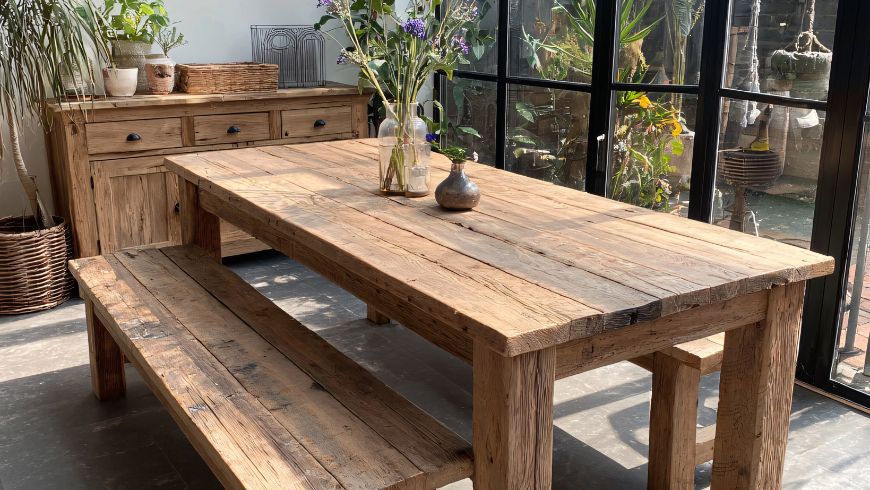
Virtuous Scenario: A sustainable B&B renovating its five guest rooms partners with a local community center. The slightly worn but still sturdy dressers and beds are donated for use in community housing programs. The unusable timber from broken pieces is passed to a nearby furniture restorer for upcycling into unique, locally-sourced accent pieces for the new B&B design. This action directly supports the community and ensures coherence with responsible and sustainable tourism.
Hazardous and Chemical Waste
Paints, solvents, cleaning agents, and fluorescent light bulbs used in facility maintenance contain materials that are toxic to landfills. These must be clearly identified, sealed, and handled by certified hazardous waste contractors. Attempting to mix these with general waste can lead to fines and environmental contamination.

3. The Role of Deconstruction and Local Logistics
The success of a maximized recycling strategy relies heavily on smart logistics and the willingness to choose careful dismantling over rapid destruction.
Deconstruction: An Act of Preservation
Whenever possible, deconstruction must be utilized rather than traditional demolition. Deconstruction is the systematic, careful dismantling of a structure or facility to maximize the salvage and reuse of components and materials.
Specific Scenario: A sustainable farm stay renovating its guest rooms within an old stone building might systematically dismantle non-structural elements to save priceless local stone, clay tiles, or structural lumber. While often more time-consuming, this process yields higher quality, reusable materials—like historic doors, windows, and hand-hewn beams—that can be incorporated back into the new design. This not only preserves the architectural integrity and historical narrative of the lodging but also significantly reduces the need to purchase virgin materials, minimizing the property’s overall environmental footprint.
On-Site Segregation and Partnering
- Dedicated Sorting: During the clear-out, provide clearly marked, dedicated containers for each material type, such as a covered bin for clean cardboard and paper, a pallet area for non-treated wood, and a separate zone for metals. Staff and contractors must be educated and incentivized to use these bins correctly to avoid cross-contamination.
- Specialized Haulers: Engage hauling contractors with a proven commitment to diversion and recycling, particularly those who work with regional waste-to-resource centers. These partners can provide essential documentation—weight tickets, diversion reports—that allows the facility to track and report on its sustainability achievements to guests and certification bodies.
Conclusion: Turning Responsibility into Narrative
When a hospitality business commits to maximizing material recovery, it achieves more than just cost savings on disposal; it transforms its renovation process into a powerful narrative of environmental stewardship.
This strategic approach, which focuses on deconstruction, community donation, and the valorization of local resources, directly aligns with the mission of Ecobnb and the expectations of the modern responsible traveler.
By embracing material responsibility, facility upgrades become a tangible demonstration of commitment to sustainable hospitality, turning a potential environmental liability into a resource for the future.
Cover image: photo via Canva PRO
Author: I’m Jonathan, the dedicated owner of Junk Quest, specializing in fast, reliable junk removal for homeowners and businesses across North Dallas. I am deeply committed to responsible, eco-friendly practices, ensuring items are recycled or donated whenever possible to keep junk out of landfills.