
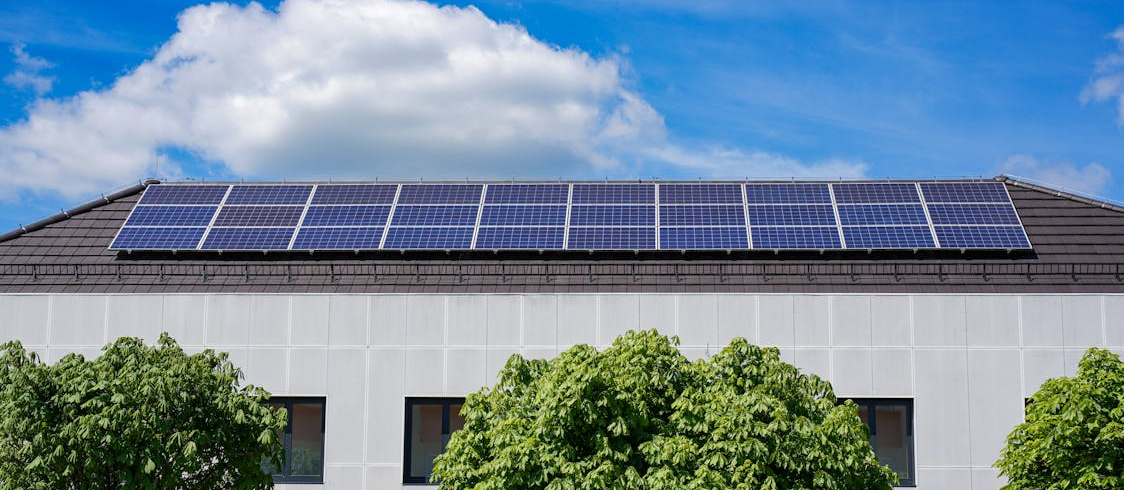
Sustainability is no longer just a trend—by 2025, it’s a key factor influencing how travelers choose their accommodations. Guests increasingly seek stays that combine comfort, thoughtful design, and a genuine commitment to the environment. They appreciate sustainable features they can see, use, and experience firsthand. These eco-friendly amenities not only enhance the guest experience but also help hosts reduce long-term operating costs and improve their green credentials.
Here are five sustainable amenities that guests will truly value in 2025, with practical tips for implementation.
1. Refill Stations for Water and Toiletries
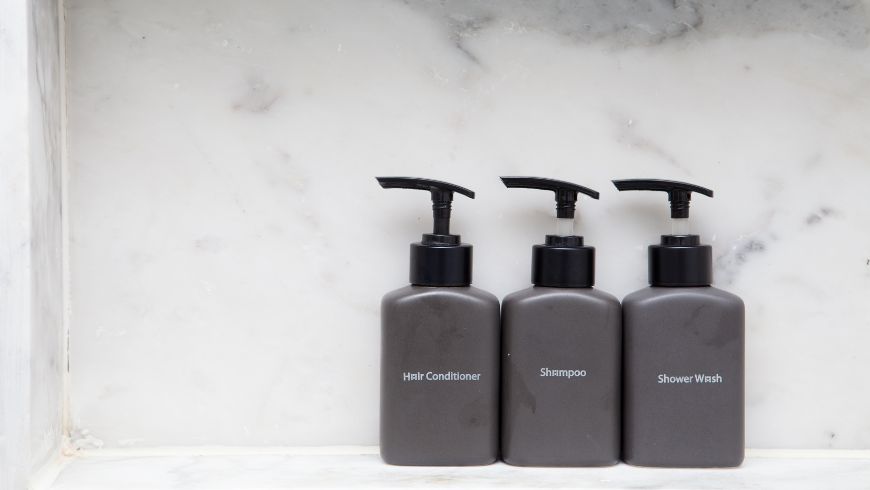
Refill stations remain one of the most visible and appreciated sustainability upgrades in modern accommodations. Refilled filtered water in lobbies, gyms, or hallways puts less pressure on directing guests to use a single-use plastic bottle, hence placing emphasis on conscious behavior. In-room refillable shampoo, conditioner, and soap dispensers really reflect the instinct for reducing waste in a quick-to-spot way.
Establishing it is mostly quick and does not need heavy refurbishing of the particular property. Water refill stations generally cost about $5000-$25000 , depending on the quality and capacity of filtration. Bulk toiletry dispensers are growing popular and will prevent a considerable amount of plastic waste while saving money on restocking.
2. Native Pollinator Corners and Edible Window Boxes
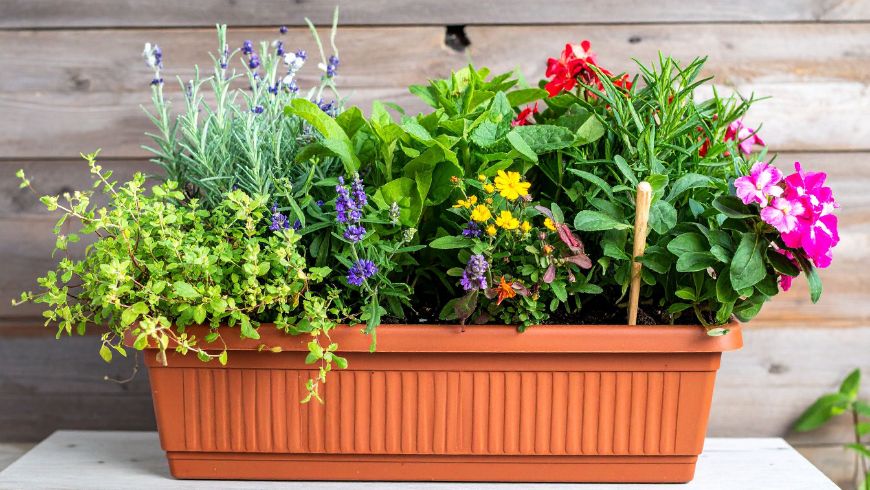
Green exterior features furnish an unforgettable first impression while serving sustainable development goals. Native, pollinator plants nourish the local ecosystem, while edible window boxes with herbs or greens offer poetic charm and a sense of place. Boost curb appeal by installing decorative frames beneath windows, ideal for pairing with colorful window boxes
Costs are pretty manageable, with an option for setting up starter window boxes from $50 to $300 per window. Native plants often need less water and maintenance, reducing the long-term cost of maintenance. These aspects are quite vivid and beautiful for tourists, hence ecologically friendly and business feasible.
3. Smart Thermostats and Energy Controls
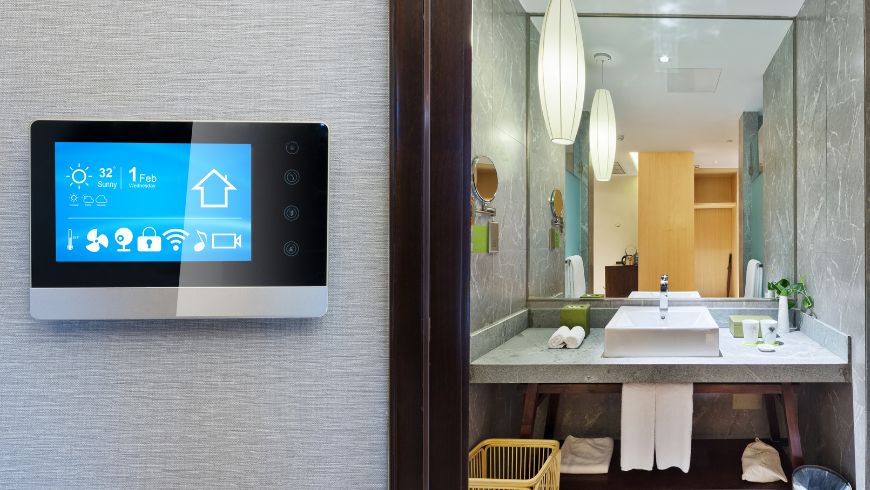
The star of the show in a great guest’s eyes now is any smart thermostat blending personal comfort with environmental responsibility. Motion-sensing or app-connected systems allow guests to increase or decrease heating and cooling when rooms are unoccupied, minimizing energy waste. A majority of all the globe-ready travelers value knowing how their stay is, in fact, energy efficient, even when they are busy out exploring.
Installation cost is usually between $150 and $400, depending on how complicated the system is. While the starting investment might seem quite excessive, most properties recover the costs via lower energy bills within the first year. Clear instructions or preset comfort ranges make guests feel empowered rather than restricted.
4. Low-Toxicity Linens and Cleaning Practices

Health-conscious tourists relate quite intimately to low-toxicity textiles and eco-certified cleaning solutions. Organic cotton sheets, hypoallergenic pillows, and unscented cleaners help to improve general comfort and sleep quality.
Choosing certified organic or low-impact materials could raise first expenses. Nevertheless, due to higher-quality fiber construction and less aggressive washing requirements, these materials often have higher durability. The values of such options could be communicated via welcome materials for guest understanding.
Another emerging feature is the use of sustainable headphones for in-room audio experiences, which provide high-quality sound while supporting eco-conscious manufacturing and material choices.
5. Bicycle Storage and Alternative Transport Initiatives
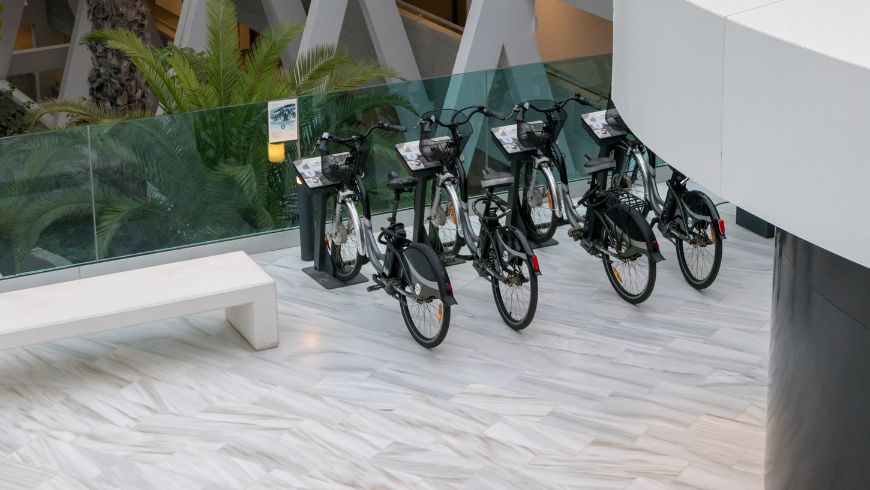
Particularly in urban and leisure sites, safe bike storage and other modes of transportation are becoming more well-known. These extra amenities are experiential and sustainable to the guests and encourage participation in sightseeing without a vehicle. Some additional experience with little effort can come from conveniences like bike racks, repair kits, and route maps.
Most basic bike storage racks would cost anything from $300 and $600. Using local trail maps, signage, or tie-ins with bike rental possibilities in town improves user friendliness and general guest satisfaction. Walkability information and travel advice go hand in hand with this amenity.
Endnote
Guests in 2025 like sustainability when it seems intentional, apparent, and totally integrated into their stay. The most appreciated amenities are those that combine comfort, authenticity, and environmental responsibility. By investing in these meaningful features, accommodations can meet evolving guest expectations while building long-term resilience and a more sustainable future for tourism.
Cover image: Photo by Vladimir Srajber on Pexels