
North Carolina has always had a certain quiet magnetism. Its draw isn’t just the rugged sweep of the Blue Ridge Mountains or the untamed charm of the Outer Banks; it’s the combination of everything in between. The state offers a little bit of everything: beaches, forests, cities, lakes, and towns that feel like time stood still just long enough to preserve their character. So it’s no surprise that millions of people visit every year. But with that constant flow of travelers, the question arises: can North Carolina stay sustainable while welcoming millions of visitors? The short answer is yes, but it’s also more complicated than that.
Tourism’s Double-Edged Sword
Tourism in North Carolina is an economic powerhouse. In 2023 alone, visitors spent more than $35 billion across the state, supporting hundreds of thousands of jobs and fueling small businesses that might not survive otherwise. From craft breweries in Asheville to surf shops in Wilmington, tourism keeps local economies alive and diverse. However, that success comes at a cost. The state’s most beloved natural assets, such as its coastlines, trails, and forests, are also the most vulnerable. The Outer Banks, for instance, are already fighting rising sea levels and stronger storms. The Great Smoky Mountains face increased waste and trail erosion from the sheer volume of hikers. Even urban hubs like Charlotte and Raleigh are dealing with the environmental impact of rapid growth and an influx of short-term visitors. Balancing economic gain with ecological responsibility isn’t easy, but North Carolina has been making quiet, strategic moves to get it right.

Sustainable Travel Is Becoming the Norm
The good news is that both travelers and communities are starting to think differently. Sustainable and ethical tourism isn’t just a buzzword here; it’s something more tangible. Local tourism boards across the state have been pushing visitors toward low-impact, community-centered experiences.
For example, Asheville has introduced initiatives that encourage visitors to “leave no trace,” not just in nature but in neighborhoods as well. Small businesses there are embracing eco-friendly practices, from breweries running on solar power to farm-to-table restaurants sourcing ingredients within a few miles. The city has also expanded its greenway network to reduce vehicle use and promote cycling.
Furthermore, along the coast, towns like Nags Head and Beaufort have implemented dune restoration programs and stricter waste management regulations. These aren’t just aesthetic fixes; they’re long-term investments in protecting the fragile ecosystems that attract people in the first place. Meanwhile, state parks have begun limiting the number of daily visitors during peak seasons. It’s an unpopular move for those turned away, but it’s necessary to protect trails and wildlife.
The Role of Education and Community Engagement
Sustainability isn’t something the state government or a single town can handle alone. Instead, it relies heavily on community cooperation and visitor awareness. That’s why education has become such an important part of North Carolina’s sustainability strategy. The “Outdoor NC” initiative, a partnership between Visit North Carolina and the Leave No Trace Center for Outdoor Ethics, is one of the state’s standout programs. It teaches residents and visitors alike how to explore responsibly, think about staying on designated trails, avoid overcrowded spots, and respect local wildlife.
Moreover, local communities are also stepping in. Volunteer programs in the mountains focus on trail maintenance, while coastal towns organize beach cleanups that involve both locals and tourists. Even high schools and universities have integrated environmental stewardship projects into their curricula, ensuring that the next generation is just as committed to preserving what makes the state special.

Renewable Energy and Green Infrastructure
Beyond tourism, renewable energy is the best next step for North Carolina to stay sustainable while welcoming millions of visitors. The state ranks among the top in the nation for solar energy capacity, and cities like Raleigh and Durham are transitioning toward more energy-efficient public infrastructure. In mountain towns, green building standards are becoming the norm. Accommodations such as lodges and resorts often use reclaimed materials, efficient water systems, and renewable energy sources. Even older establishments are retrofitting to meet modern sustainability goals.
Transportation, though, remains one of the biggest challenges. Many of North Carolina’s most visited areas are accessible only by car, which adds to emissions. To counter this, there’s been a gradual expansion of electric vehicle charging stations along major routes and in popular tourist spots. Amtrak and regional train services are also being promoted as alternative ways to travel between major cities and smaller towns.
Supporting Local, Not Just Visiting
One of the most overlooked aspects of sustainability is economic equity. True sustainable tourism ensures that local communities actually benefit from the visitors who come through. That means spending money at locally owned restaurants instead of chains, staying in family-run lodges instead of massive resorts, and buying handmade crafts instead of mass-produced souvenirs. North Carolina’s tourism campaigns have subtly shifted toward this idea. There’s a growing emphasis on authenticity, encouraging visitors to experience life like a local rather than just checking off tourist attractions.
The Future of Sustainable Tourism in North Carolina
So, how can North Carolina stay sustainable while welcoming millions of visitors? Well, it will need to continue building on its current momentum. That means better infrastructure for waste management, continued investment in renewable energy, and tighter collaboration between state agencies, local governments, and private businesses. It also means travelers have to play their part, choosing eco-conscious accommodations, respecting nature, and supporting local initiatives. Sustainability isn’t something that can be enforced from the top down; it grows from the collective choices of everyone involved.
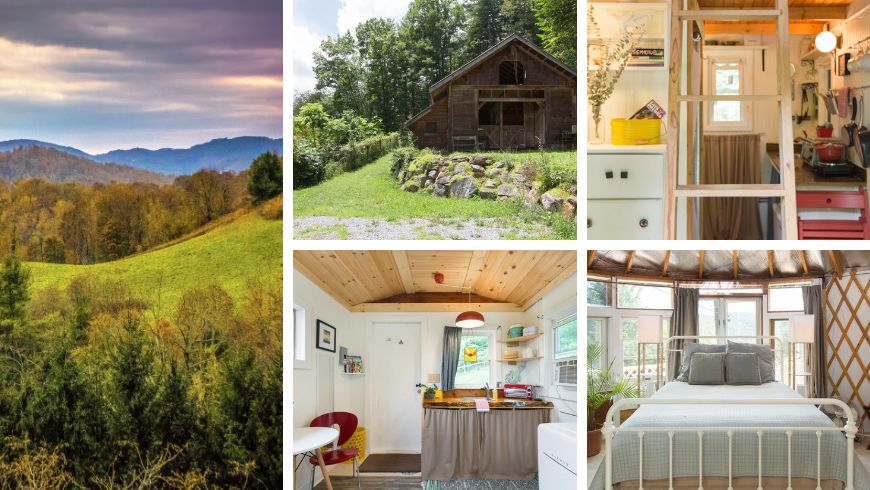
For eco-travelers, Ecobnb recommends staying in green lodges, joining community-led beach cleanups, and exploring experiences that support local communities. Choosing eco-friendly options ensures that your visit benefits both the environment and the people who call North Carolina home.

Bio: Ethan Miller is an eco-travel enthusiast and sustainability advocate. He is a relocation coordinator at Advanced Moving, a full-service moving company that specializes in local and long-distance relocations for homes and businesses. With a strong interest in sustainability, he focuses on helping clients move responsibly while reducing waste and environmental impact. Outside of work, Ethan enjoys exploring new destinations and writing about community, travel, and green living.